Key Collection of Root-Knot Nematodes to Study Virulence in Tomato
The NEM-EMERGE researchers at the Universitat Politècnica de Catalunya are coordinating the creation of a collection of root-knot nematode populations impacting tomato plants. The collection includes both avirulent populations, which have limited capacity to infect, develop and/or reproduce on resistant tomato varieties, and virulent populations, which can overcome plant resistance. In total, 9 avirulent and 10 virulent populations were obtained. This resource will be crucial for developing molecular diagnostic markers of nematode virulence by comparing the genomes of both groups.
Plant resistance is currently the most effective, sustainable, and environmentally friendly strategy to manage root-knot nematodes. In tomatoes, resistance largely relies on the Mi-1 gene, which has been widely used in cultivation worldwide. However, certain nematodes have naturally evolved virulence or have been induced by the continuous cultivation of resistant tomatoes, meaning they can reproduce on them as if they were susceptible plants, putting tomato production at risk.
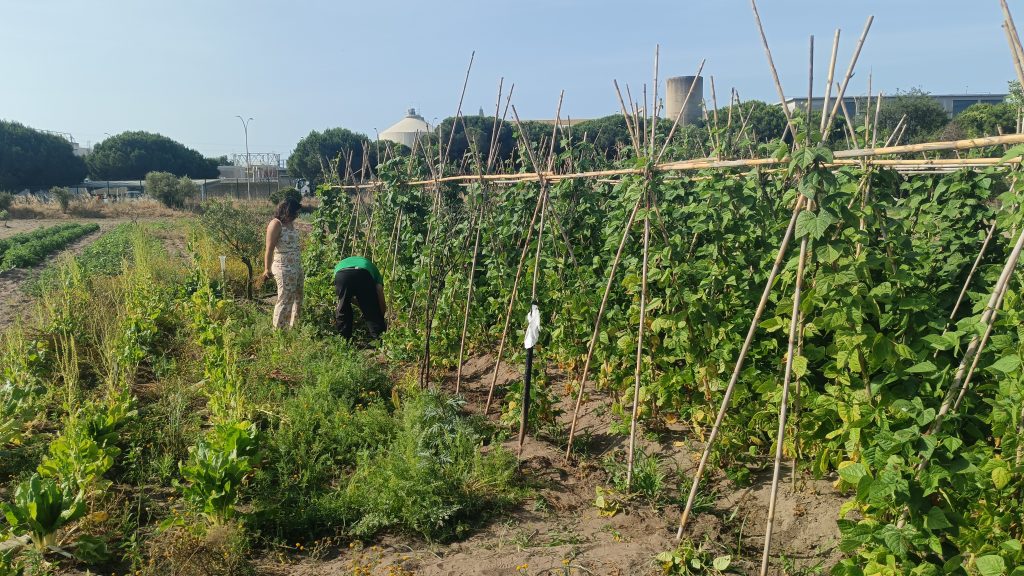
To demonstrate the presence of virulent nematodes in field conditions, researchers sampled fields across southern and northern Spain, southern France, eastern Türkiye, and Slovenia. A common protocol was applied by project partners to ensure reliability: confirming species identity, robustly testing virulence, and standardising DNA extraction, conservation, and transport for sequencing.
From the 73 sites sampled, they were able to classify 19 root-knot nematodes as avirulent (9) or virulent (10). Classification was based on the reproduction index, i.e. the ratio of the number of eggs produced in the resistant cultivar to those in the susceptible cultivar. Populations were considered virulent if their reproduction on resistant tomatoes was at least 80% of that on susceptible plants, and avirulent if it was 10% or lower.
Work is in progress, and next steps will include sequencing and comparing the genomes of virulent and avirulent populations to identify molecular signatures associated with nematode virulence. Stay tuned for further advancements.
Share on Facebook Share on Twitter Share on Pinterest