An accurate root-knot nematode species detection kit developed in NEM-EMERGE
NEM-EMERGE researchers from HLB, with the collaboration of partners from Stichting Wageningen Research, the Netherlands Food and Consumer Product Safety Authority, and the Agricultural Institute of Slovenia, have developed a toolkit for the detection of tropical root-knot nematodes, “the most harmful type of plant-parasitic nematodes worldwide”. These harmful plant parasites can proliferate rapidly as they reproduce asexually, by mitotic parthenogenesis, meaning that female nematodes can produce genetically identical daughters, causing substantial damage within one cropping season.
These tropical root-knot nematodes are able to parasitise thousands of host plant species, including key crops covered in NEM-EMERGE, tomato and potato. Strategies to eradicate these nematodes have been limited in the last decade, as many nematicides cannot be used in Europe anymore for environmental and human-health reasons. Novel durable control measures have arisen, but they are most often RKN-species specific.
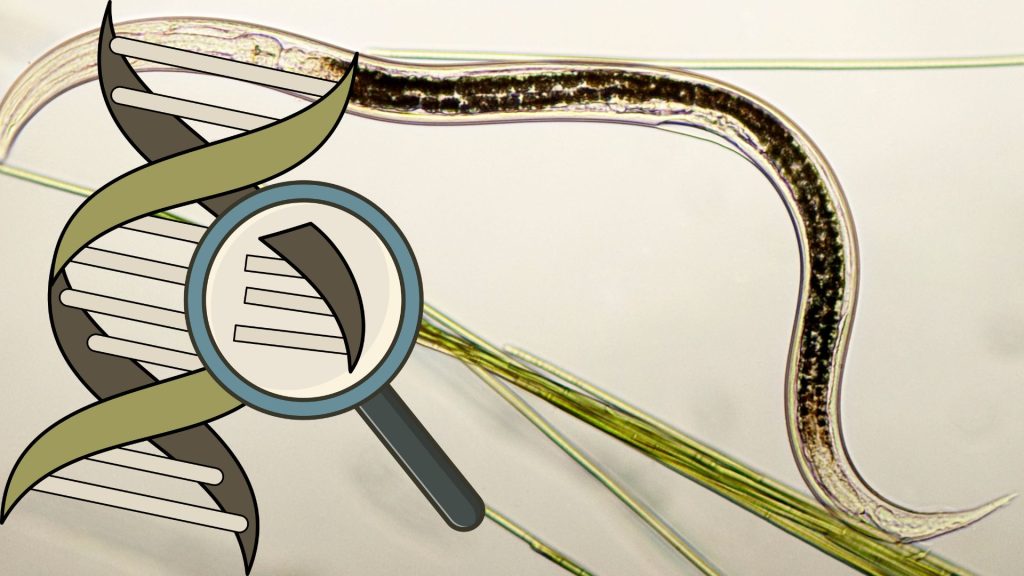
In this piece of work, the NEM-EMERGE researchers have developed a solution to the correct species identification of tropical root-knot nematodes (RKN) based on molecular (DNA) diagnostics. Specifically, novel mitochondrial DNA motifs were used for correct RKN identification. A single standardised and validated RKN detection toolkit resulted from this work, not only capable of detecting tropical RKN species but also valid for the detection of temperate RKN species. Furthermore, this method provides the ratios of the different species in mixed infection samples.
Share on Facebook Share on Twitter Share on Pinterest