NEM-EMERGE: an opportunity for young researchers
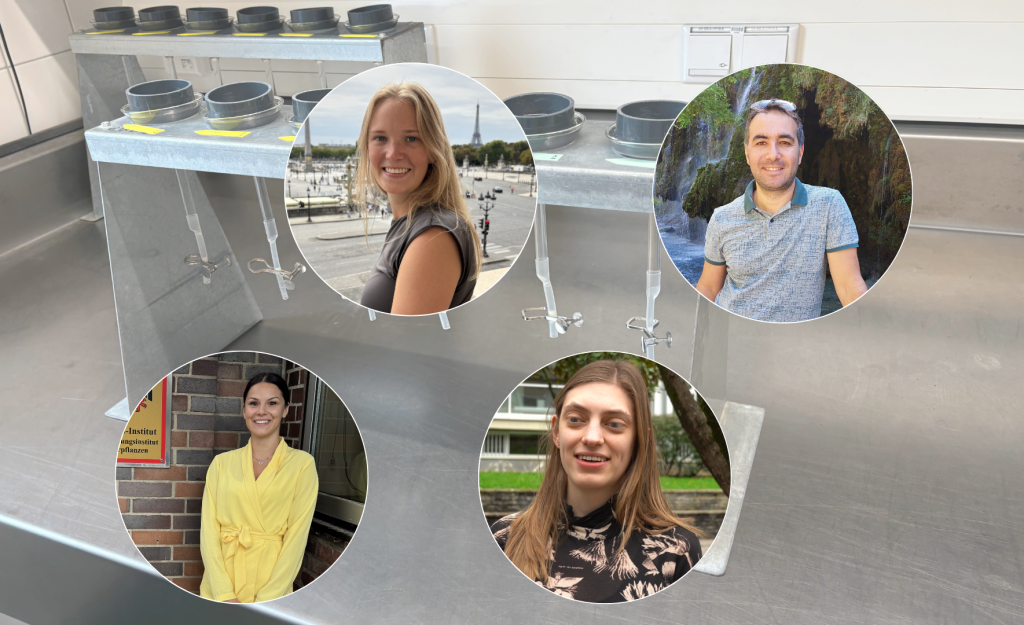
The NEM-EMERGE project offers young researchers the opportunity to join a network combining fundamental research with practical applications. It attracts the attention of many young scientists in the field. Several of these scientists are part of our team and participated in a two-day international workshop on nematode DNA extraction for genome sequencing at the Julius Kühn Institute (JKI) in Braunschweig, Germany, on 26 and 27 June 2025. We asked the participants about the lessons they learned at the workshop and how the NEM-EMERGE project has contributed to their research work.

“The diversity of topics covered made it an enriching workshop. It gives young researchers like me a chance to contribute to something that has real impact in agriculture.” Ilse Bakker, Enza Zaden (The Netherlands)
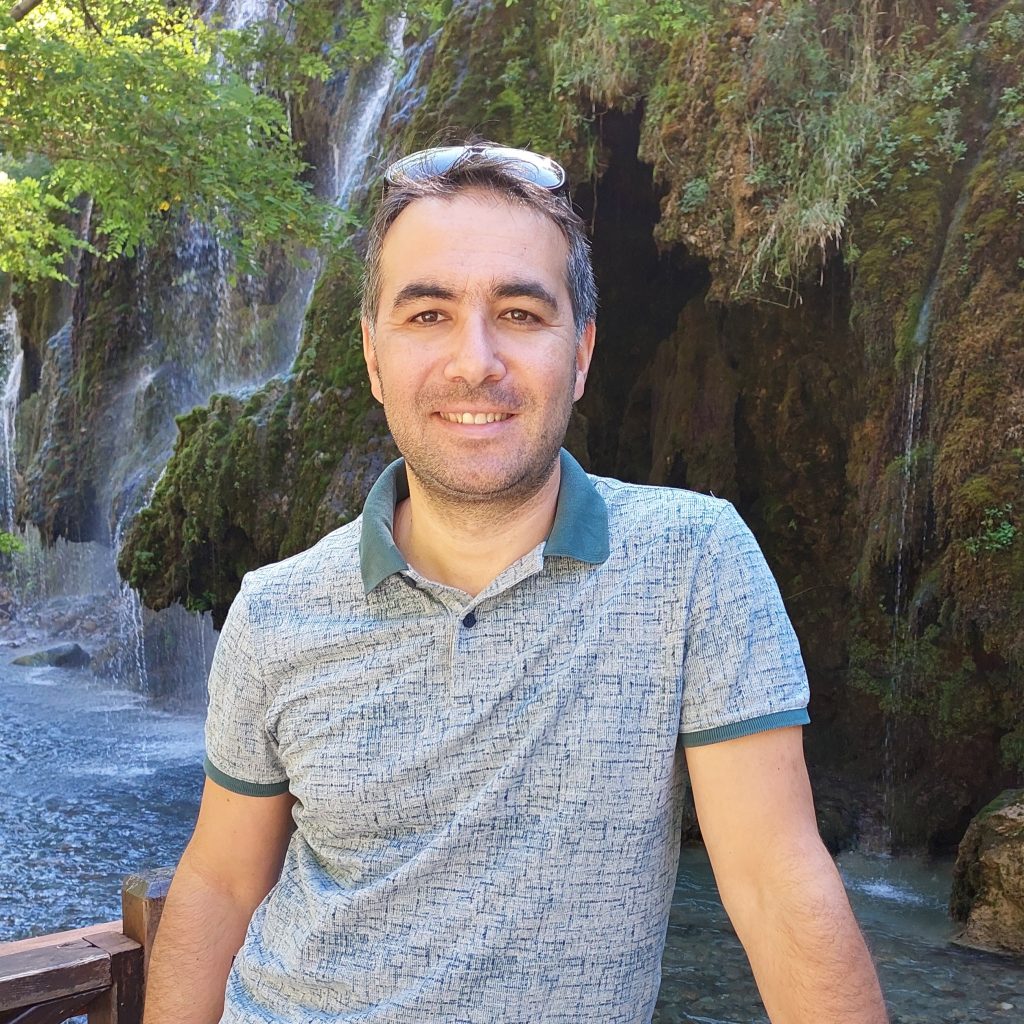
“The project is important because it supports knowledge transfer and collaboration between researchers.” Gökhan Aydınlı, Ondokuz Mayıs University (Türkiye)
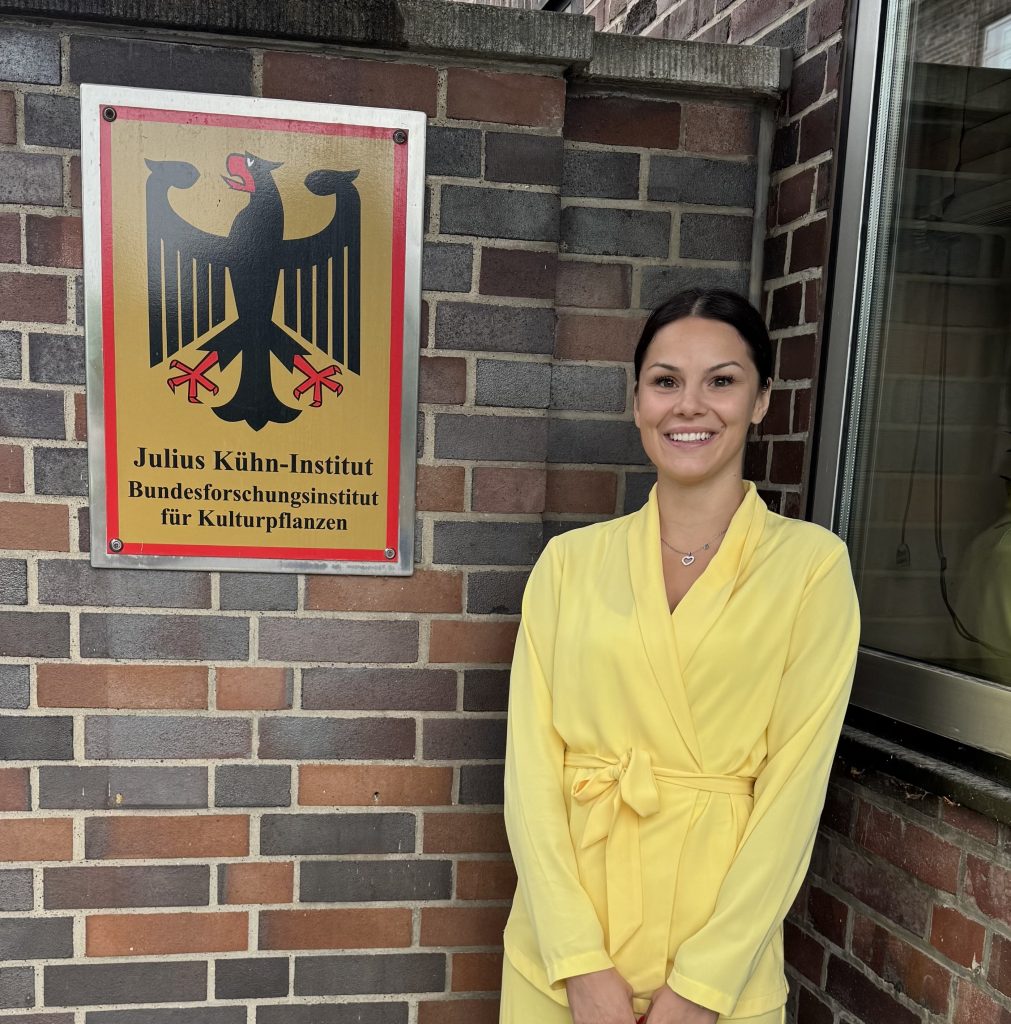
“NEM-EMERGE will give us a clear picture of the presence of tropical Meloidogyne species in Europe and the impact of climate on their spread.” Ivana Lalićević, Institute for Plant Protection and Environment (Serbia)
Ilse Bakker, Enza Zaden
What did you learn in the workshop?
As someone early in my research career, I found the workshop incredibly valuable. I learned how to extract high-quality genomic DNA from nematodes, which was a new technique for me. In addition to the DNA work, we also shared more general knowledge about working with nematodes. For example, we discussed different approaches to juvenile extraction and handling, which was especially useful for me, as this is an essential aspect for NEM-EMERGE work packages I’m involved in. The diversity of topics covered made it a successful and enriching workshop.
What is the importance of the NEM-EMERGE project?
From my perspective, NEM-EMERGE is important because it doesn’t just focus on one solution—it combines breeding, diagnostics, and soil health strategies. That’s exciting to me because it means we’re not just reacting to nematode outbreaks, but actively working toward long-term, sustainable control. It also gives young researchers like me a chance to contribute to something that has real impact in agriculture.
What results would you like to see in NEM-EMERGE?
There are many exciting topics within NEM-EMERGE, and here’s a selection of those I find particularly interesting. Firstly, I’m interested in gaining a better understanding of heat-stable resistance against nematodes, as this is crucial knowledge for the future, especially in the context of climate change. I also find the idea of early warning systems for predicting nematode outbreaks very promising, as they could help us anticipate and respond to future challenges more effectively. In addition, tools such as virulence markers for RKN and the identification of secreted proteins that trigger plant resistance responses could be game-changers for breeding and diagnostics. It’s inspiring to be part of a network that combines fundamental research with practical applications.
Gökhan Aydınlı, Ondokuz Mayıs University
What did you learn in the workshop?
I learned how to isolate DNA from second-stage juveniles of root-knot nematodes for genomic sequencing, as well as how to assess the quality and quantity of the extracted DNA.
What is the importance of the NEM-EMERGE project?
The NEM-EMERGE project is very important because it brings together researchers from many countries to find sustainable and environmentally friendly solutions against root-knot nematodes (RKN) and potato cyst nematodes (PCN). These pests cause major crop losses and are becoming more problematic due to global warming and genetic selection. Since chemical control is no longer a safe option, NEM-EMERGE focuses on integrated pest management, resistant plant varieties, crop rotation, and natural soil antagonists. In addition, the project is also important because it supports knowledge transfer and collaboration among researchers through training schools and short-term exchange visits between consortium members and stakeholders.
What results would you like to see in NEM-EMERGE?
I would like to see practical solutions that farmers can use, such as crop rotation strategies, resistant plant cultivars, and monitoring tools. I also hope the project will strengthen collaboration between researchers and stakeholders by providing training and opportunities for exchange visits, which will make it easier to share knowledge. Most importantly, I hope to see results that reduce crop losses and support sustainable farming practices in conventional and organic systems.
Ivana Lalićević, Institute for Plant Protection and Environment
What did you learn in the workshop?
This workshop contributed significantly to expanding my knowledge and skills in DNA extraction of nematode larvae from the soil. Previously, I had performed DNA extraction based on egg mass extracted from plant material. This method improves the detection of Meloidogyne in soil at an early stage when the population density is low and the infected plants in our laboratory are asymptomatic.
What is the importance of the NEM-EMERGE project?
Participation in this project is very important for us. It has helped us to get in contact with experts from other European institutions and to familiarise ourselves with their working methods. The importance of this project also lies in the fact that we get a clear picture of the presence of tropical Meloidogyne species in Europe and the impact of climate on their spread, which is also important for our country. This year, we successfully applied a new method for isolating larvae from the soil and carried out molecular analyses. The results were made available to our ministry as part of the Meloidogyne survey. This is a big step forward for us.
What results would you like to see in NEM-EMERGE?
I am particularly interested in comparing some of our results with the larval samples submitted to see if they reveal anything important for our country, including the possible presence of a new tropical Meloidogyne species. I am also curious about the situation of root-knot nematodes in other participating countries and the final map showing their distribution.
Share on Facebook Share on Twitter Share on Pinterest