Broad participation of NEM-EMERGE partners at the 36th ESN Symposium
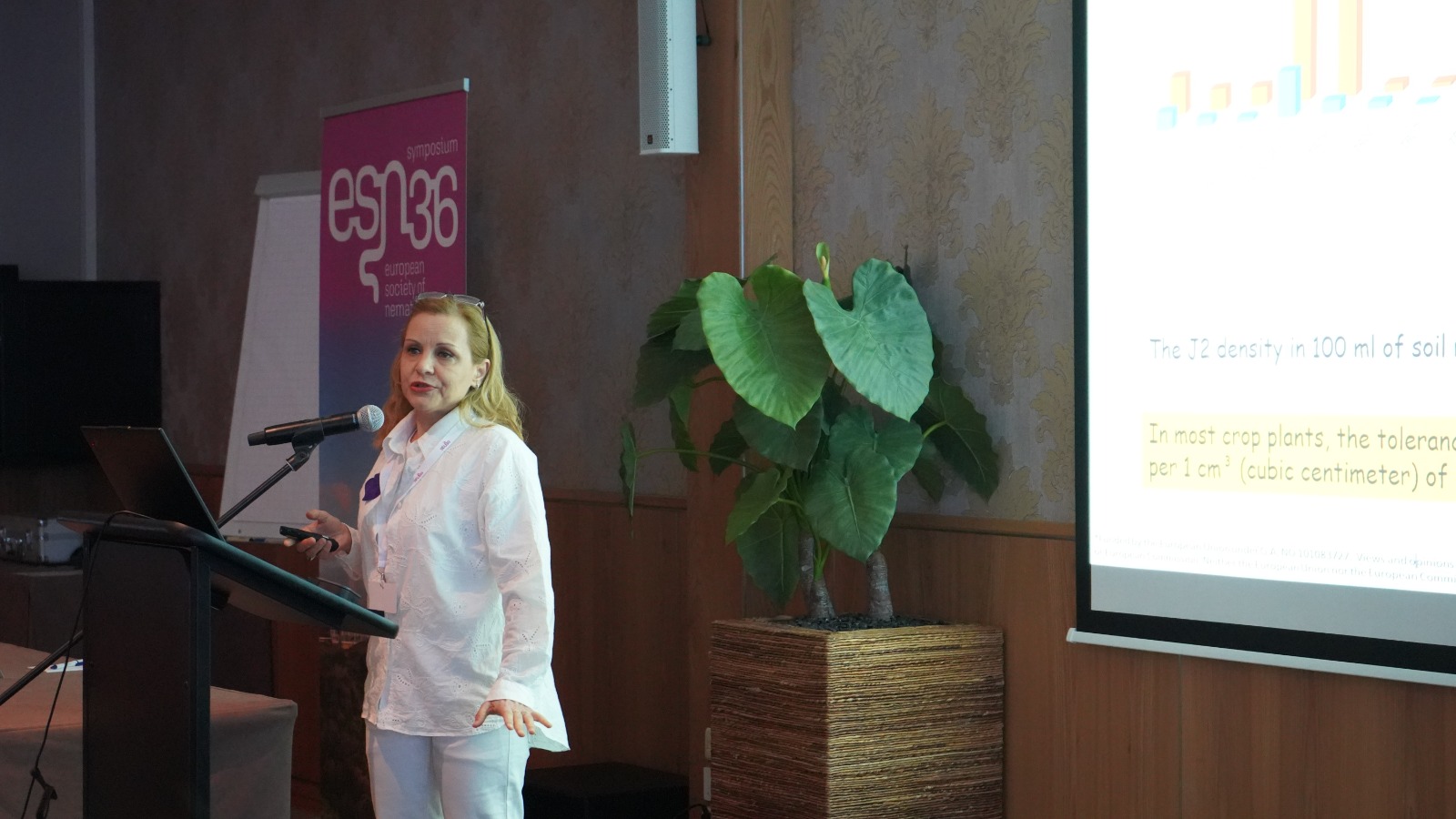
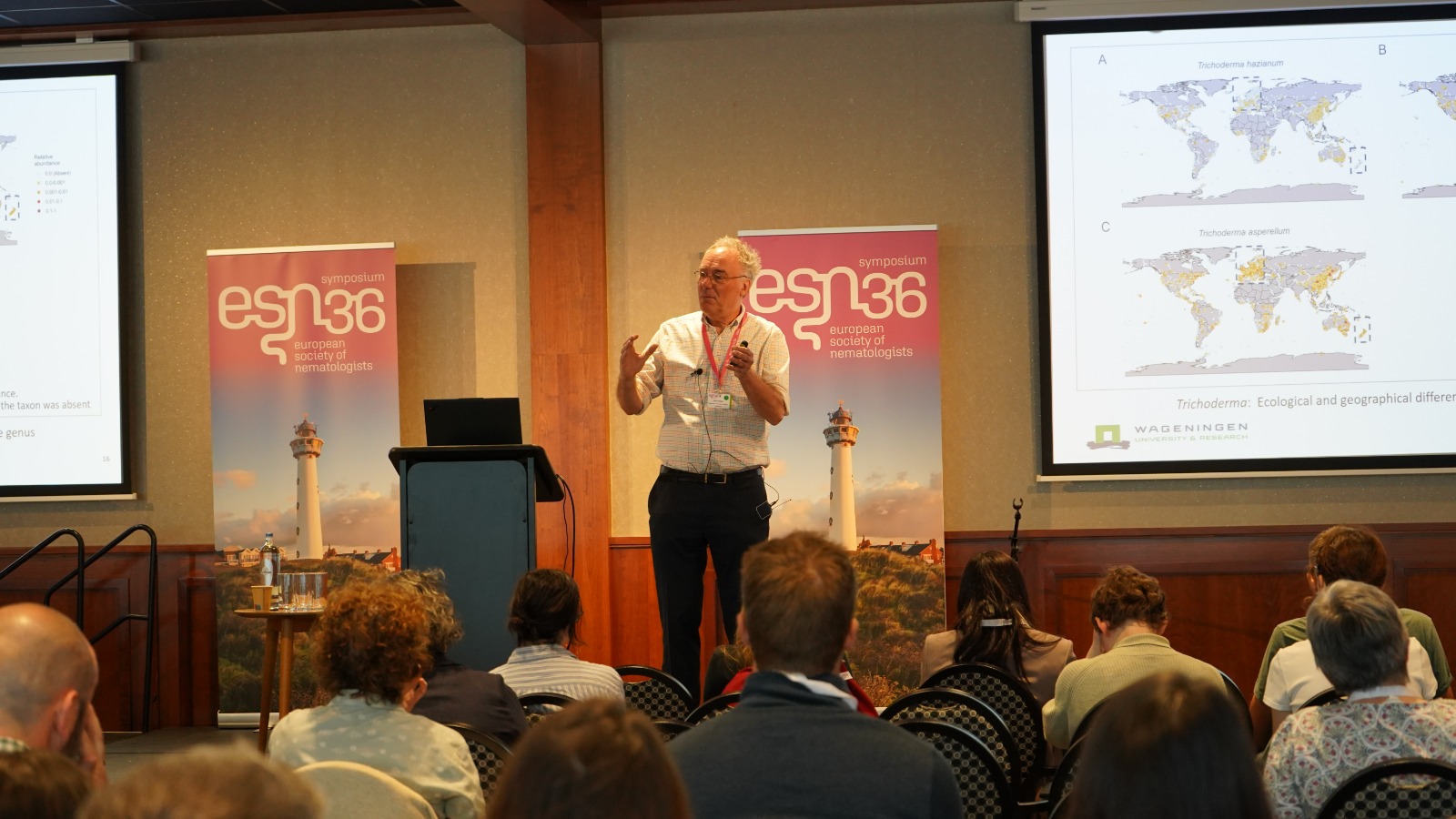
From 2 to 5 June 2026, the 36th Symposium of the European Society of Nematologists was held in Egmond aan Zee, the Netherlands, organised by the Laboratory of Nematology, Wageningen University & Research (The Netherlands), including NEM-EMERGE project coordinator Hans Helder who was member of the core team.
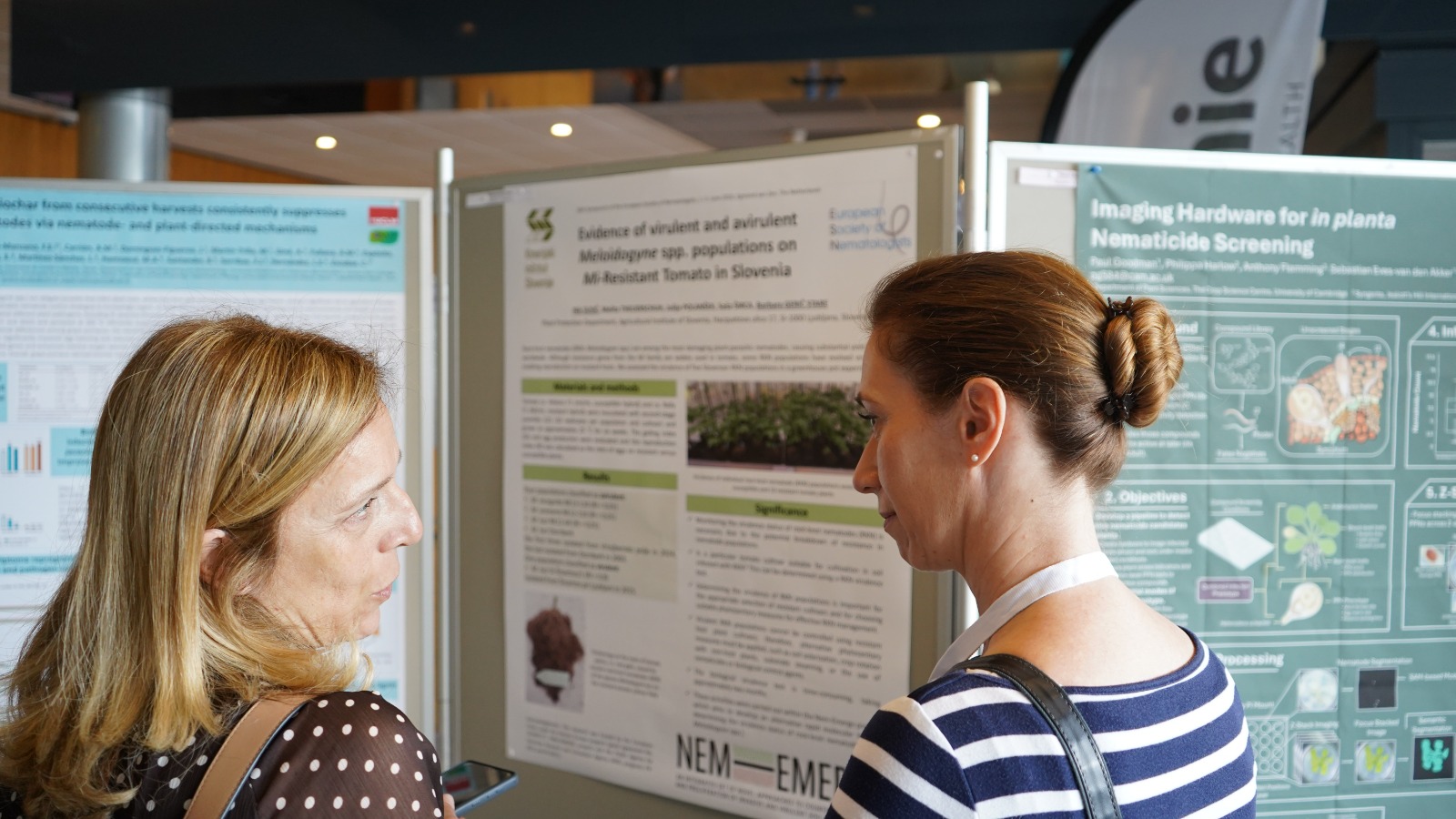
During the symposium, NEM-EMERGE had a prominent presence, featuring a good number of the oral and poster presentations, as well as two workshops aimed at boosting discussion with stakeholders in the value chain of potato production, who are often dealing with nematode-driven problems. The complete list of contributions is provided below, which shows the diversity of topics NEM-EMERGE partners are working on and have delivered results.
Together with two other projects focusing on the same plant disease, potato cyst nematodes (PCN), but from distinct global regions – PAPAS from the USA, and PCN Action Scotland from the UK – NEM-EMERGE organised a scientific session and a workshop. The three projects mobilised stakeholders in the potato industry who collaborate with them, and they met to discuss the challenges in potato management and the effectiveness of current and future tools for addressing nematodes. More than 40 participants discussed these topics in small groups, sharing their thoughts and learning from experiences in other geographical areas and sectors. Learn more about this workshop here.
During the plenary, parallel and poster sessions, seven oral presentations and five poster presentations were delivered with a direct link to the work being carried out by project partners within NEM-EMERGE. Click on any of them to access the abstract:
Oral presentations
By John Jones, The James Hutton Institute.
The potato cyst nematode (PCN) Globodera rostochiensis, causes serious damage to potato production across East Africa. In Kenya, it is present in all major potato growing regions, often at exceptionally high densities. The most preferred cultivar, Shangi, which dominates the Kenya market is susceptible to PCN. It has very low dormancy, has high taste acceptability and cooks quickly. The sub-tropical conditions support multiple cropping cycles per year, facilitating high PCN densities. To manage PCN in Kenya, cultivars with H1 resistance have been introduced for evaluation. For successful adoption however, resistant cultivars need to possess a suite of traits and characteristics favoured by growers as well as consumers. New potential cultivars were selected from advanced breeding lines based on their resemblance to cv. Shangi. Field tests demonstrated that the new lines performed well in the field, including under high levels of PCN. In consumer acceptability tests the lines were favoured compared to a PCN-resistant check cultivar, but also in relation to Shangi. Two new cultivars – Glen and Malaika have now been officially registered. Current work is focused on scaling up production of seed tubers and assessing suitability of the cultivars for growers in other countries.
By André Bertran, formerly Hilbrands Laboratorium B.V., currently Wageningen University and Research
Due to climate change, it is expected that tropical root-knot nematodes (RKN, Meloidogyne spp.) will spread from the Mediterranean towards northern Europe posing increased and different risks to crops and cropping systems that have been optimized for resistance and management strategies to temperate RKN species. The correct identification of RKNs is therefore paramount in our surveillance and preparedness strategy. However, accurate identification of tropical RKN species is difficult due to their hybrid (allopolyploid) nature, showing the characteristics of multiple species. Species-specific mitochondrial DNA motifs were recently suggested as suitable for tropical RKN identification. Our research established a practical approach to tropical RKN identification based on qPCR screening (triage stage) using i) Clear Detections® Real-Time Meloidogyne spp. Diagnostic Kit followed by ii) long amplicon generation iii) Nanopore sequencing, and iv) phylogenetic analyses using a curated database of mtDNA obtained from pure cultures maintained by Wageningen Plant Research, NIVIP and KIS. Together, these steps enable accurate identification of tropical RKN including cases involving mixed infections. This methodology has recently been applied to determine the complete mtDNA genomes of several tropical RKN, including a new Ethiopian population of Meloidogyne luci and constitutes a deliverable of the NEM-EMERGE project.
By Eric Grenier, INRAE
Polyandry is known to occur in several plant parasitic cyst nematodes. For the potato cyst nematode Globodera pallida, polyandry has never been demonstrated and quantified. Since the potato resistance used to control this nematode acts by masculinising populations, leading to an unequal sex ratio, and because polyandrous mating is more frequent in male-skewed populations, the level of polyandry can be expected to decrease during the nematode adaptation process to potato resistance. Aims of this study were thus to determine whether polyandry occurs in G. pallida, to estimate the number of fathers per cyst, and to explore the polyandry evolution during the adaptation process to the potato resistance. Using G. pallida lineages obtained from experimental evolution on susceptible and resistant potato cultivars, we explored and quantified the genetic evidences of multiple paternity within cysts by genotyping juveniles using microsatellite loci. Results showed that 100% of females were polyandrous, with an average of seven fathering males. In contrast to our expectation, multiple mating appeared to remain stable during the adaptation process to a masculinising resistance. The level of polyandry highlighted here would be an important parameter to consider in demo-genetic models designed to compare control strategies of nematode populations.
By Hans Helder, Wageningen University
Plant-parasitic nematodes can be suppressed by antagonistic representatives of the local soil microbiome. Although fungal nematode antagonists are regularly detected in soils worldwide, their global distribution has not been documented systematically. We mined a global fungal dataset comprising nearly 28,000 samples from 484 studies. We showed that 83% of the soil samples harbored ³ 1 nematode antagonist. Most of the common nematode antagonists barely show any biogeography. This observation underlines their enormous ecological flexibility. Within a selection of the six most common antagonistic taxa across all biomes, three were also most prevalent in croplands. Except for Chaetomium globosum, the most frequently detected antagonistic fungi belonged to a single fungal order, Hypocreales. These common and widespread nematode antagonists parasitize representatives of fungi and insects as well. We also investigated the commonness and the global distribution of microbial antagonists that are applied as biological control agents. Purpureocillium lilacinum, Metacordyceps chlamydosporium and Trichoderma harzianum were detected in 6 – 23% of the cropland samples and occurred on all continents. Insights in the prevalence and the distribution of specific and non-specific nematode antagonists at a global scale, might contribute to the exploration of the nematode-suppressive potential that is more widespread than often assumed.
By Sevilhan Mennan,Ondokuz Mayıs University
Accurate species identification is a fundamental prerequisite for the effective management of root-knot nematodes (RKN; Meloidogyne spp.), which collectively parasitize more than 3,000 host plant species, with vegetables being among the most susceptible crops. To assess the distribution, infestation rate, population density, and species composition of RKN, surveys were conducted during the 2024 and 2025 growing seasons in major summer vegetables as tomato, cucumber, eggplant, watermelon, okra, pepper, and melon growing areas of six northwestern provinces of Türkiye (İstanbul, Çanakkale, Balıkesir, Edirne, Kırklareli, and Bursa). Soil samples were collected from infested fields to determine the population density of second-stage juveniles (J2), while infected root samples were obtained for species identification. Nematode populations were multiplied from single females, and species identification was performed using polyacrylamide gel electrophoresis (PAGE) based on esterase phenotypes. Of the 103 fields surveyed, 20 (19.41%) were found to be infested with RKN. Tomato fields exhibited the highest infestation rate, followed by eggplant and watermelon. The J2 density in 100 ml of soil ranged from 2 to 203, as determined by counting the J2s in the soil. Mixed-species populations were detected in only two infested fields, consisting of M. arenaria + M. javanica and M. incognita + M. javanica. Overall, three RKN species—M. incognita, M. arenaria, and M. javanica—were identified as the predominant species in the surveyed regions.
By Sabine De Graauw, Wageningen University
A pathogen or pest often interacts with a broader network of organisms than exclusively with its host. During infection, pathogenic agents also interact with (other) microorganisms. We hypothesize that juveniles of plant-parasitic nematodes (PPN) carry bacterial and fungal propagules acquired during migration through soil. These juveniles may transfer such propagules to host plants, where they could influence plant infection. Such an exobiome needs to be studied to fully comprehend pathogenesis, persistence, transmission, and evolution of pathogenic agents, yet remains poorly understood.
We will discuss the composition of microbial propagules present on the surface of PPNs. So far, this topic has received little attention and has only been studied in soil suspensions and for few PPN species. Moreover, the exobiome of cyst nematodes has not yet been studied. Here, we present a novel experimental setup and methodology to isolate and characterize nematode exobiomes. Using this approach, bacterial and fungal propagules will be identified by sequencing full-length 16S rDNA for bacteria and the ITS1 and ITS2 regions for fungi, allowing identification to species level. Combined with high-throughput sequencing, this methodology will be used to compare exobiomes of several root-knot and cyst nematode species in natural soils.
By Benius Tukahirwa, Julius-Kühn-Institut
Emerging root knot nematodes (RKN) are difficult to control and a major concern in potato production. Cover cropping can condition soil microbiomes and promote soil suppressiveness against these RKN. However, limited knowledge of cover crops which stimulate and enrich native beneficial soil microbiota to promote soil supressiveness limits effective use of cover cropping to manage RKN in potato production. We conducted greenhouse trials with field soils collected from different agricultural fields to evaluate the potential of different cover crops to modulate RKN-suppressive soil microbiomes. Soil microbiomes conditioned by some cover crops significantly suppressed invasion and reproduction of the quarantine root knot nematode Meloidogyne chitwoodi on potato. In particular, microbiomes conditioned by crotalaria (Crotalaria juncea), phacelia (Phacelia tanacetifolia) and nasturtium (Tropaeolum majus) consistently suppressed M. chitwoodi invasion and reproduction across the field soils. Crotalariamodulated the most suppressive soil microbiome, reducing nematode root invasion and reproduction by up to 60% and 81%, respectively compared to non-conditioned fallow soil. Among glucosinolate (GLS)-rich plants tested, nasturtium containing glucotropaeolin as the main GLS conditioned the most suppressive microbiome. We will use 16S rRNA and ITS amplicon sequencing to analyze microbial communities and identify beneficial microbiota enriched by the cover crops. This study provides new insights on potential cover crops which can be used to modulate nematode-suppressive soil microbiomes. This could provide a sustainable alternative for management of the quarantine root knot nematode M. chitwoodi in potato production.
Poster presentations
Authors: Susič, N., Theuerschuh, M., Polanšek J., Širca S., and Gerič Stare, B.
Root-knot nematodes (RKN; Meloidogyne spp.) are among the most damaging plant-parasitic nematodes, causing substantial yield losses worldwide. Although resistance genes from the Mi family are widely used in tomato, some RKN populations have evolved virulence, enabling reproduction on resistant hosts. We assessed the virulence of five Slovenian RKN populations in a greenhouse pot experiment. Tomato cv. Velasco F1 (mi/mi, susceptible hybrid) and cv. Rally F1 (Mi/mi, resistant hybrid) were inoculated with second-stage juveniles (J2) (10 replicates per population and cultivar) and grown at approximately 25 °C for six weeks. The galling index and egg production were evaluated and the reproduction index (RI) was calculated as the ratio of eggs on resistant versus susceptible plants. Four populations—M. incognita NE13-110, M. arenaria NE12-110, M. luci NE12-69, and M. luci Dornberk (the first three isolated from Vrtojbensko polje in 2024, the last isolated from Dornberk in 2003) were classified as avirulent. In contrast, M. luci SI-Šmartno/1, isolated from Šmartno pri Ljubljani in 2015, was virulent, showing similar reproduction on susceptible and resistant tomatoes. These results will serve as the basis for the design of molecular markers specific to virulent RKN isolates.
Authors: Susič, N., Gerič Stare, B., Polanšek J., Theuerschuh, M., and Širca S.
Root-knot nematodes (RKN, Meloidogyne spp.) are obligate endoparasites causing significant yield losses in agricultural production systems worldwide. Meloidogyne luci is a tropical RKN species that requires relatively high temperatures for survival and reproduction in the field. To date, M. luci has been reported in Iran, Brazil, Chile, European Union countries (Slovenia, Italy, Greece and Portugal), Turkey, Guatemala, Serbia, Argentina, Bolivia, Ecuador and Ethiopia. M. luci was included in the European and Mediterranean Plant Protection Organization (EPPO) A2 Quarantine List of pests due to its economic significance. In Slovenia, M. luci had previously only been found in greenhouses. In 2024, M. luci was detected in 20% of the sampled tomato plants in a small field near Vrtojba village, mixed with M. arenaria. The species were identified using morphological, molecular and biochemical analyses. Present detection demonstrated that M. luci has spread in Slovenia not only in protected growing areas such as greenhouses, but also in fields. Climate change, higher soil temperatures and the polyphagous nature of M. luci can facilitate its future spread (greenhouses and fields), not only in Slovenia, but also in other regions with sub-Mediterranean and continental European climates.
Authors: Barut Arslantaşlı, Ş., Aydınlı, G.*, Mennan, S.
The Mi-1.2 gene in tomato confers resistance against several root-knot nematode species, including Meloidogyne luci. However, temperature is one of the main factors affecting the resistance mediated by this gene. The study was conducted to screen the resistance responses of homozygous resistant (MiMi) cultivar Browny and heterozygous resistant (MiMi) cultivar Seval for Mi-1.2 gene against M. luci (2 avirulent and 1 virulent) and M. incognita (1 avirulent) isolates in high temperature (32°C). In the high-temperature treatment, the plants were kept at 32°C for 48 hours after nematode inoculation and then placed in a climate chamber at 24°C for 8 weeks. The reproduction (number of egg masses and eggs) of M. incognita and M. luci isolates on resistant cultivars significantly increased in the high temperature. In both temperatures, the reproduction index (RI=number of eggs in the resistant plant/number of eggs in the susceptible plant x 100) of M. luci isolates is lower on Browny than on Seval. In contrast to Browny, the resistance response of Seval against avirulent isolates of M. incognita and M. luci was lost (RI>10) at high temperature. The cultivar Seval was more resistant to avirulent isolates of M. luci than M. incognita at high temperature.
Authors: Ids Willemsen, Robbert van Himbeeck, Sara G. Cazzaniga, Johannes Helder
With the increased prohibition of nematicides, sustainable management methods of plant-parasitic nematodes is becoming increasingly important. In this study, we assessed the effects of cover crop treatments on nematode antagonists against a background of different nematode infestation levels by Meloidogyne fallax. Our results show that all cover crop treatments significantly affect the microbiome. We find that out of all cover crops, oil seed raddish seems to have the largest effect on both nematode antagonists and the microbiome composition as a whole. Specifically, we find that Pseudomonas fluorescens, Pseudomonas putida and Plectosphaerella plurivora are significantly more abundant in the presence of oil seed radish. Our study indicates that the effects of cover crops on the soil microbiome are largely consistent across different experimental fields and types of nematode infestation, as evidenced by the similarity between our findings and those of a previous study conducted under comparable field conditions.
Authors: van Weperen, J., Helder, J., Goverse, A.
With climate change causing warmer summers and milder winters, tropical root-knot nematode species are emerging more frequently in northern Europe. Furthermore, the major tomato resistance (R) gene Mi-1.2, providing effective resistance to these tropical Meloidogyne species, stops working at soil temperatures above 28°C. This double problem causes an urgent demand for heat-stable alternatives. However, the reason for Mi-1.2 thermosensitivity remains unclear. Heat stress causes a complex response in plants, and there is a crosstalk between heat stress adaptation and immunity regulation. Since thermostable R-genes do exist, immunity is not downregulated altogether under high temperature conditions, but thermosensitivity is the result of a more intricate mechanism. Mi-1.2, encoding for a Nucleotide-binding Leucine-rich Repeat (NLR) receptor, is as such an ideal model to study the effects of elevated temperature on plant defence against nematodes. By comparing Mi-1.2 with close homologs and other NLRs showing differences in thermostability, we were able to elucidate molecular signatures that may determine the thermostability of nematode R-genes. For functional testing and validation, we developed an in-planta assay to screen NLR thermostability in both an elicitor-dependent or independent manner. Using this structure-informed approach, we aim to reveal the potential thermosensitive steps in the NLR activation pathway.