Farmer learning event on Promoting Awareness and Uptake of PCN-Resistant Potato Varieties in Kenya
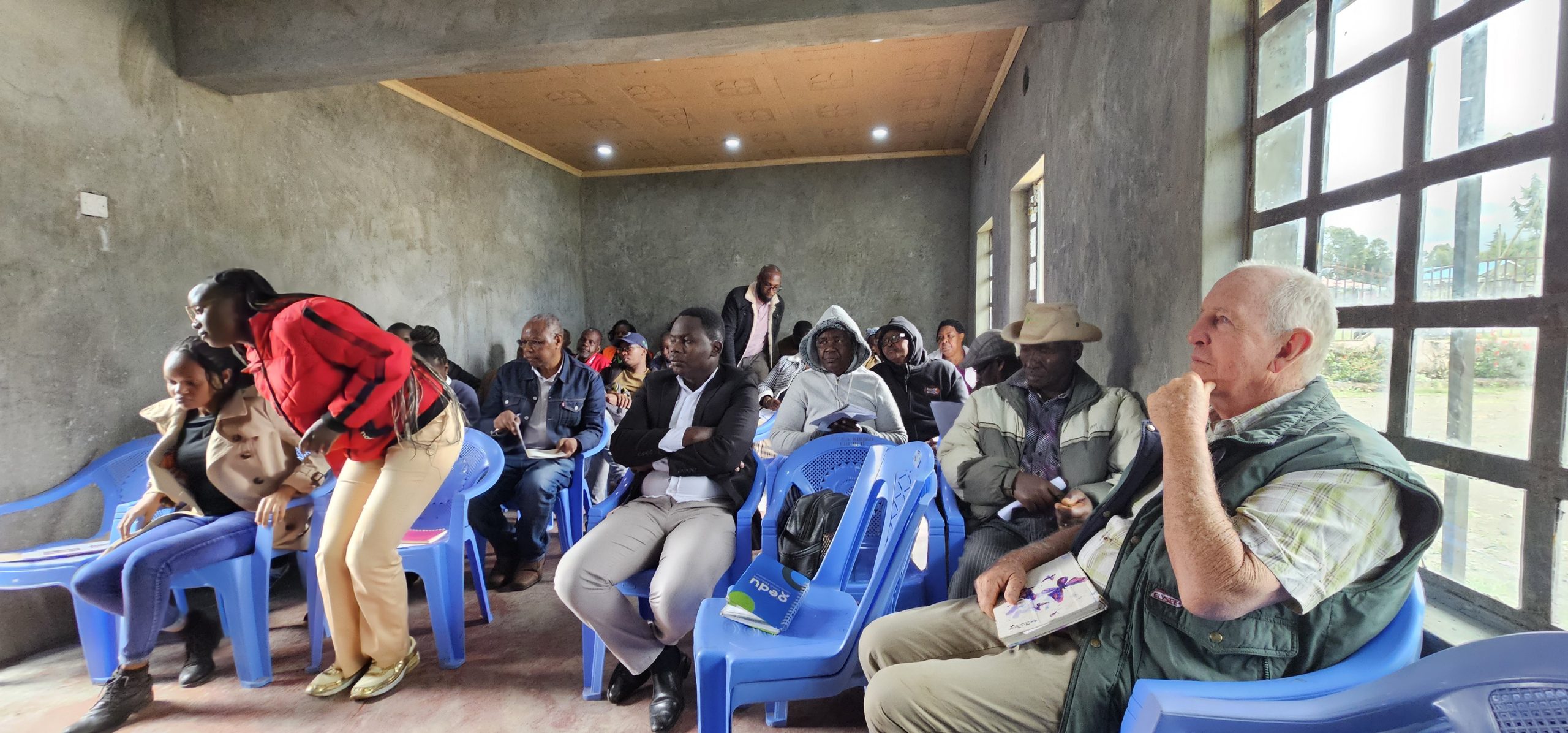
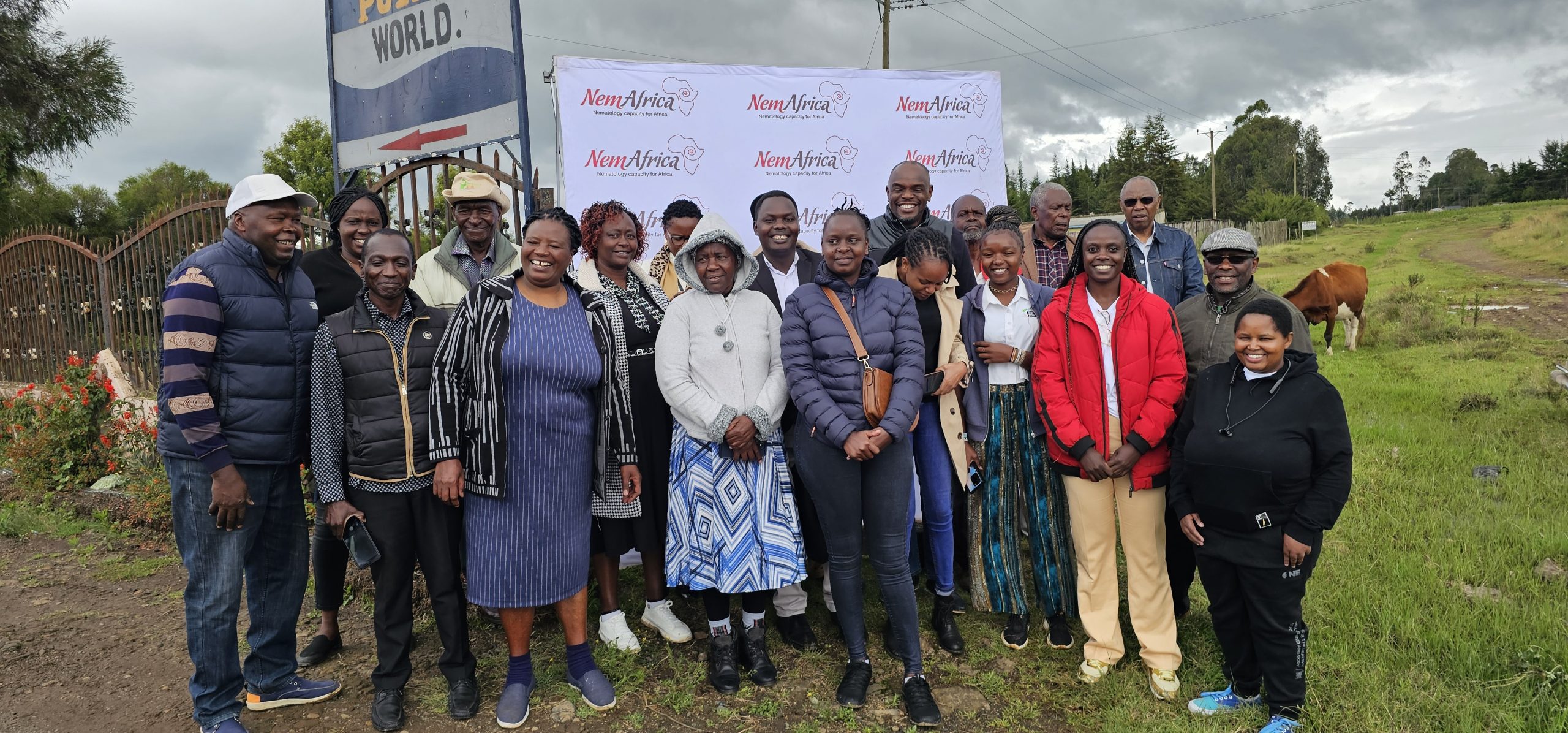
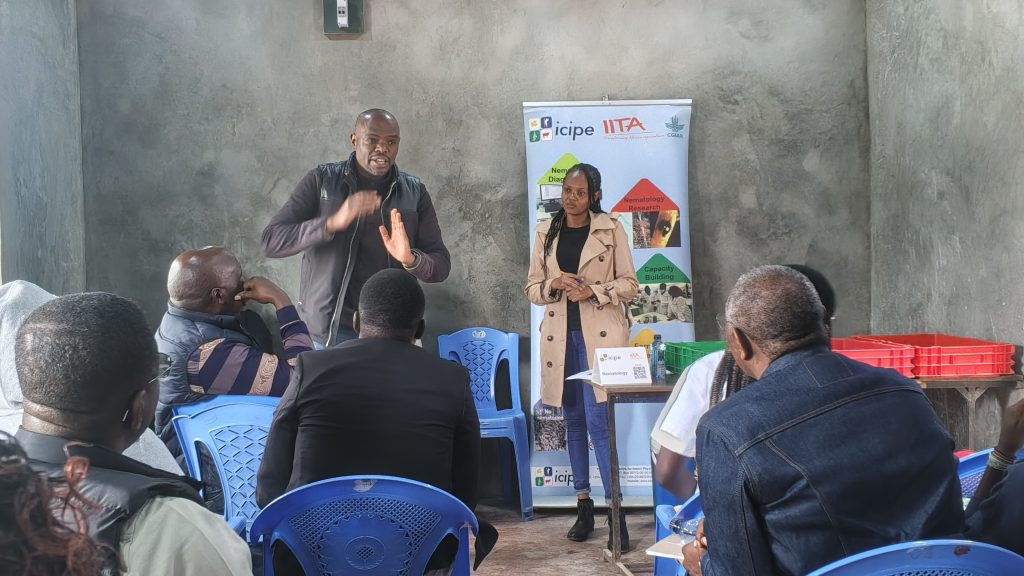
On 3 March 2026, a training session was organised with farmers in Munyaka, Njabini, in the Nyandarua County (Kenya), to raise awareness of PCN and root-knot nematodes (RKN) and to promote improved management practices, as well as to introduce the PCN-resistant varieties Glen and Malaika as potential solutions for addressing nematode challenges in the potato value chain. This event was convened by NemAfrica, the joint nematology laboratory between the NEM-EMERGE partner International Institute of Tropical Agriculture (IITA) and the International Centre of Insect Physiology and Ecology (ICIPE). The meeting brought together over 35 participants, including farmers, processor representatives, service providers, researchers, and community leaders.
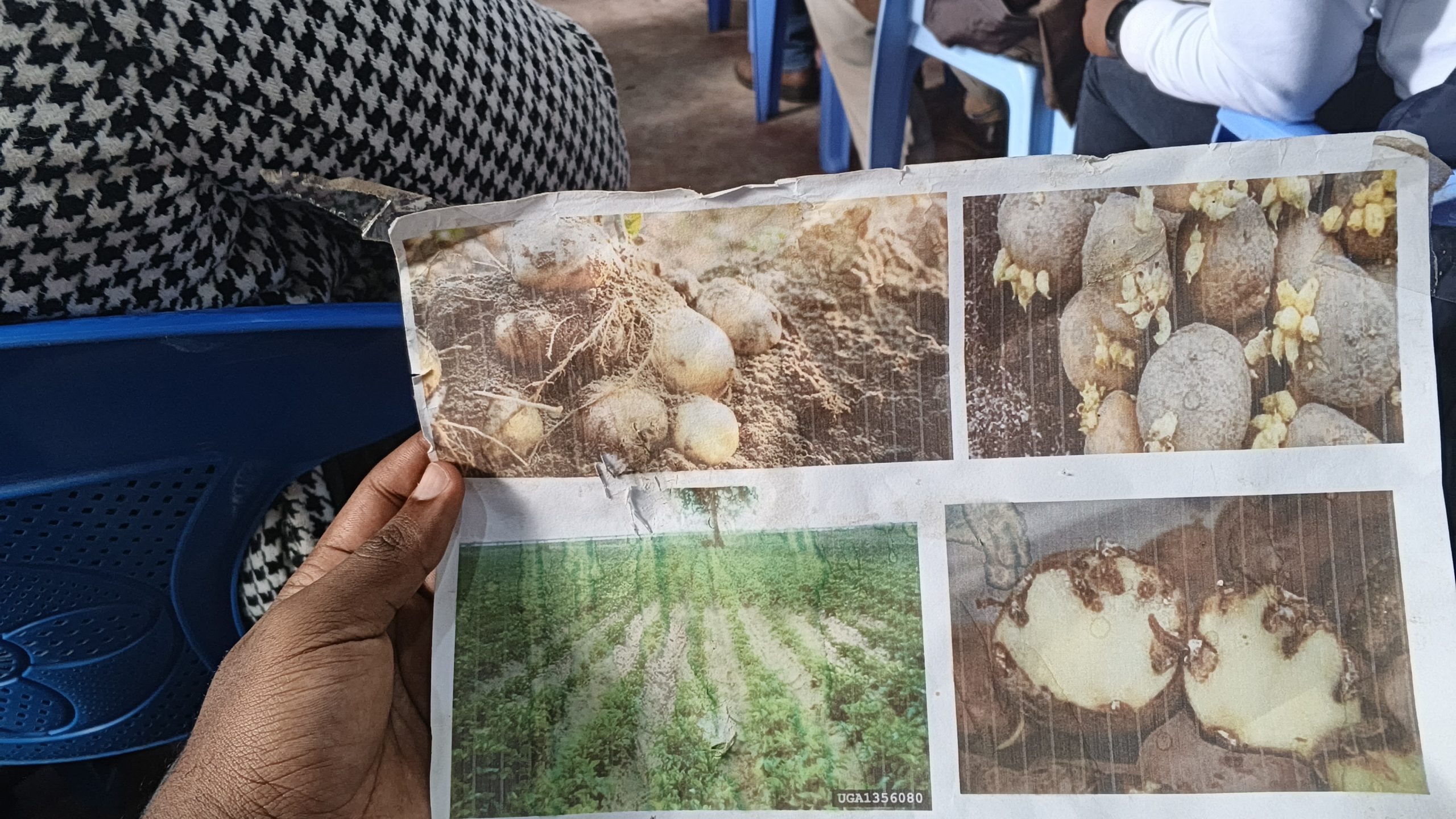
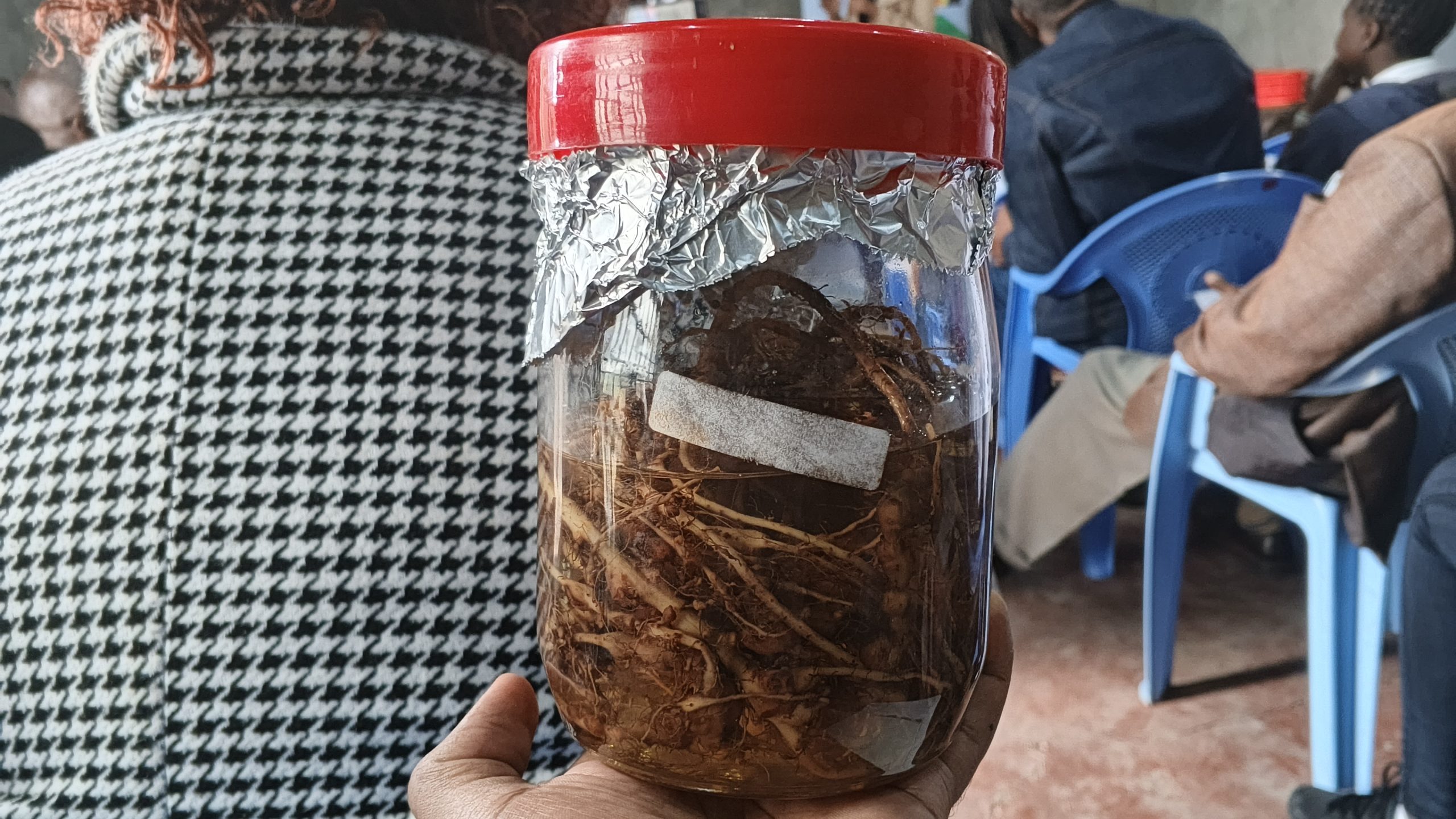
The training adopted a three-module approach aimed at strengthening farmer awareness and capacity to manage potato cyst nematodes (PCN). It began with a technical session introducing PCN and root-knot nematodes (RKN), focusing on their biology, life cycle, soil survival mechanisms, field symptoms, and recommended management practices in potato production. This was followed by a participatory experience-sharing session in which farmers discussed their field challenges, local observations, and management practices, fostering peer learning and practical problem-solving. The final module introduced the PCN-resistant potato varieties Malaika and Glen, highlighting their agronomic characteristics and resistance advantages.
These two novel potato varieties have been recently released thanks to the collaboration of IITA with JHI, KEPHIS, ICIPE, CIP, and the Syngenta Foundation. These varieties combine resistance to PCN with traits valued by farmers, processors, marketers, and consumers (such as low dormancy, high yield, high dry matter, tuber features (Shape and size), and desirable cooking qualities), offering a promising sustainable strategy to reduce nematode populations, improve yields, and support food security.
The training provided valuable insights and highlighted areas for action to enhance awareness and uptake of disease-resistant varieties. For instance, they realised that a fraction of farmers are still not aware of PCN, locally referred to as “Gathuri,” in potato production, often mistaking PCN symptoms for bacterial wilt or nutrient deficiencies in the crop, so the need for further training and capacity building arose. This limited awareness also leads disease-resistant varieties to remain unpopular among many farmers.
Based on the lessons learned, the organisers outlined the way forward strategy. On the one hand, they identified the need to scale up production of the new varieties, increasing availability, improving accessibility, and promoting wider uptake among farmers for commercial production. On the other hand, developing and implementing a structured training schedule for farmers was considered, focusing on the best agricultural practices in potato production. This should include modules on PCN identification and management.
From the NEM-EMERGE perspective, the team, led by IITA, plans to conduct a comprehensive baseline study to evaluate the performance of PCN-resistant varieties (Malaika and Glen) compared to conventional varieties such as Shangi.