Joint dissemination symposium among the NEM-EMERGE, PCN Action Scotland and PAPAS projects and stakeholders involved in them
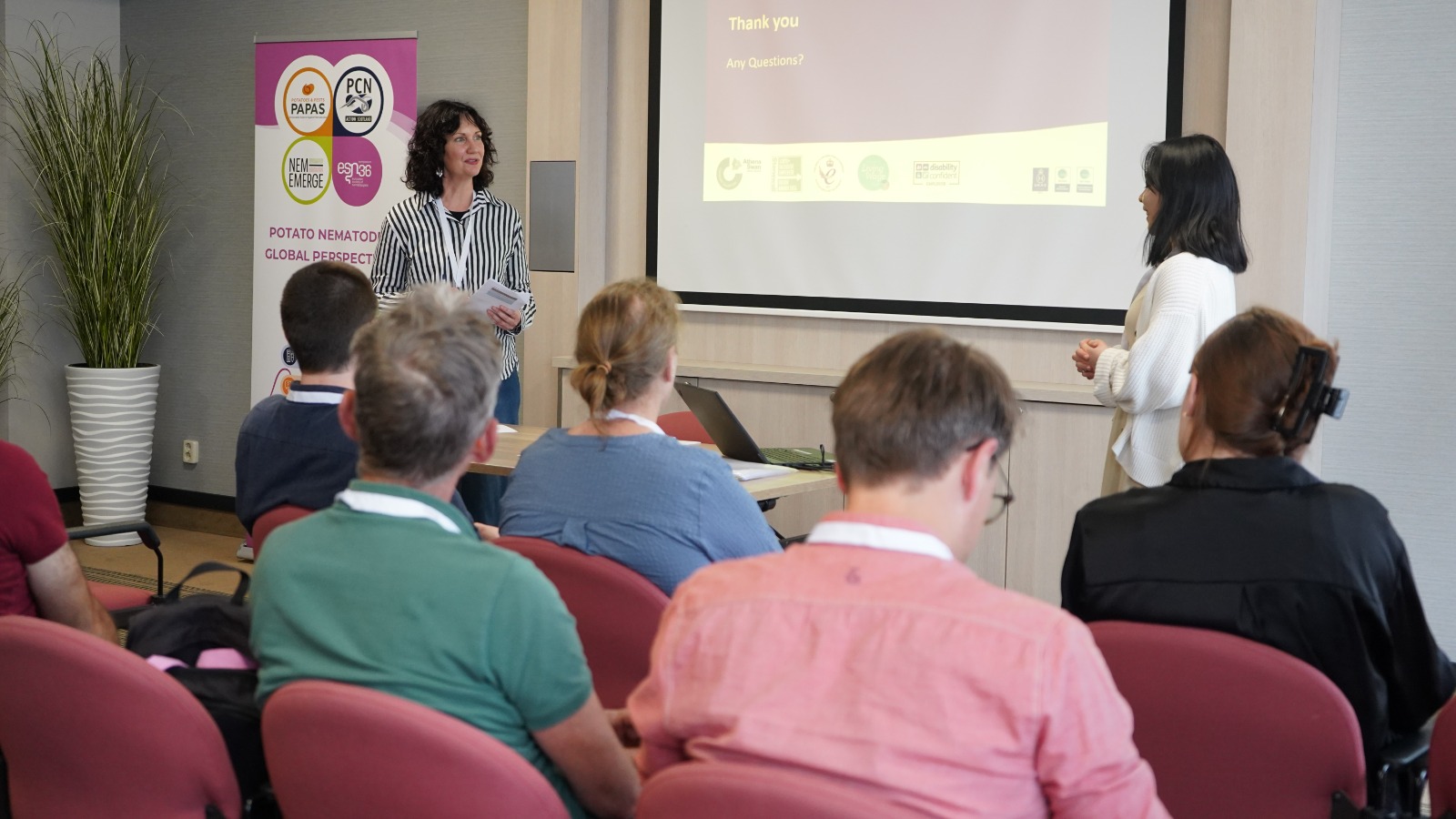
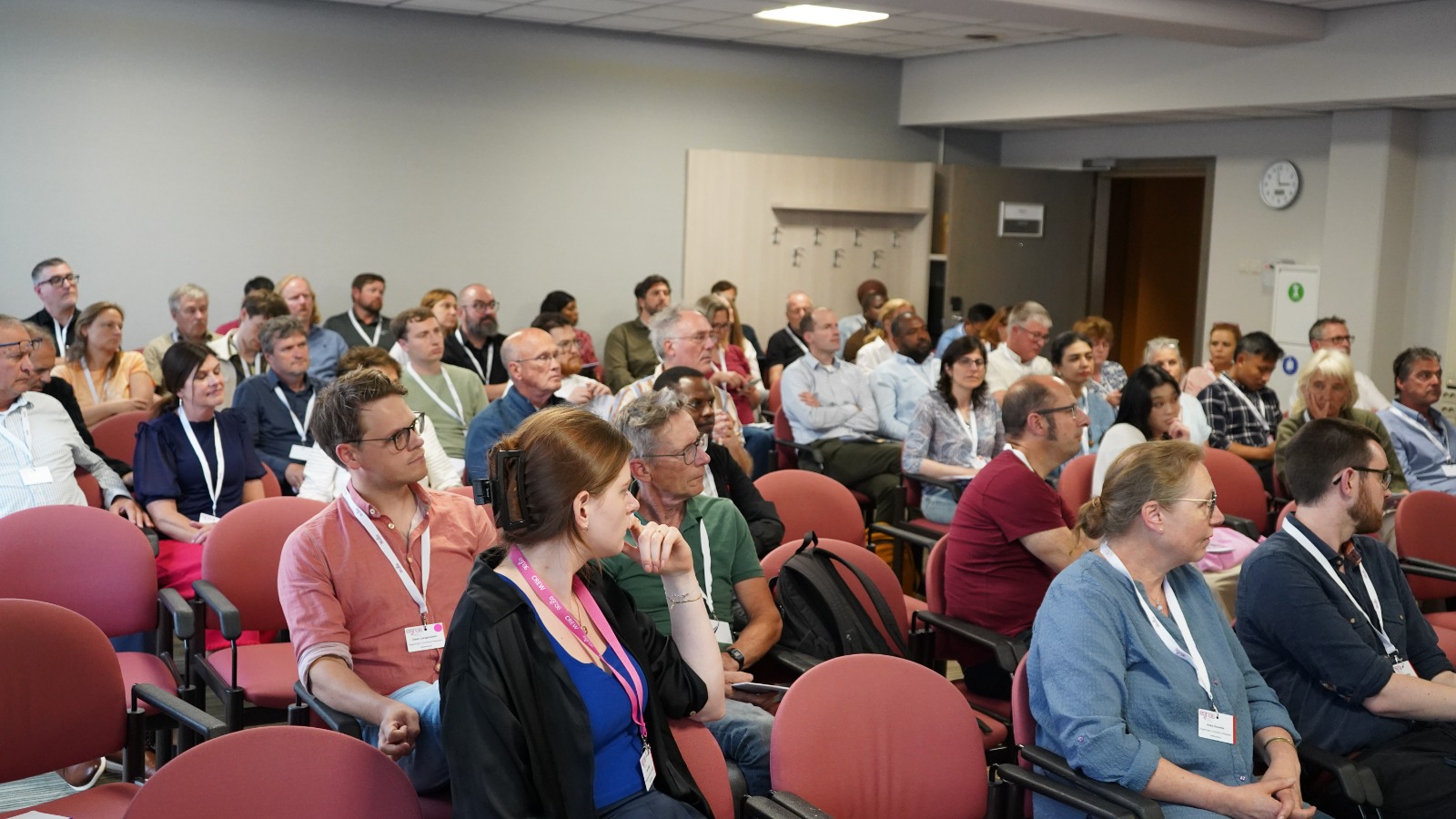
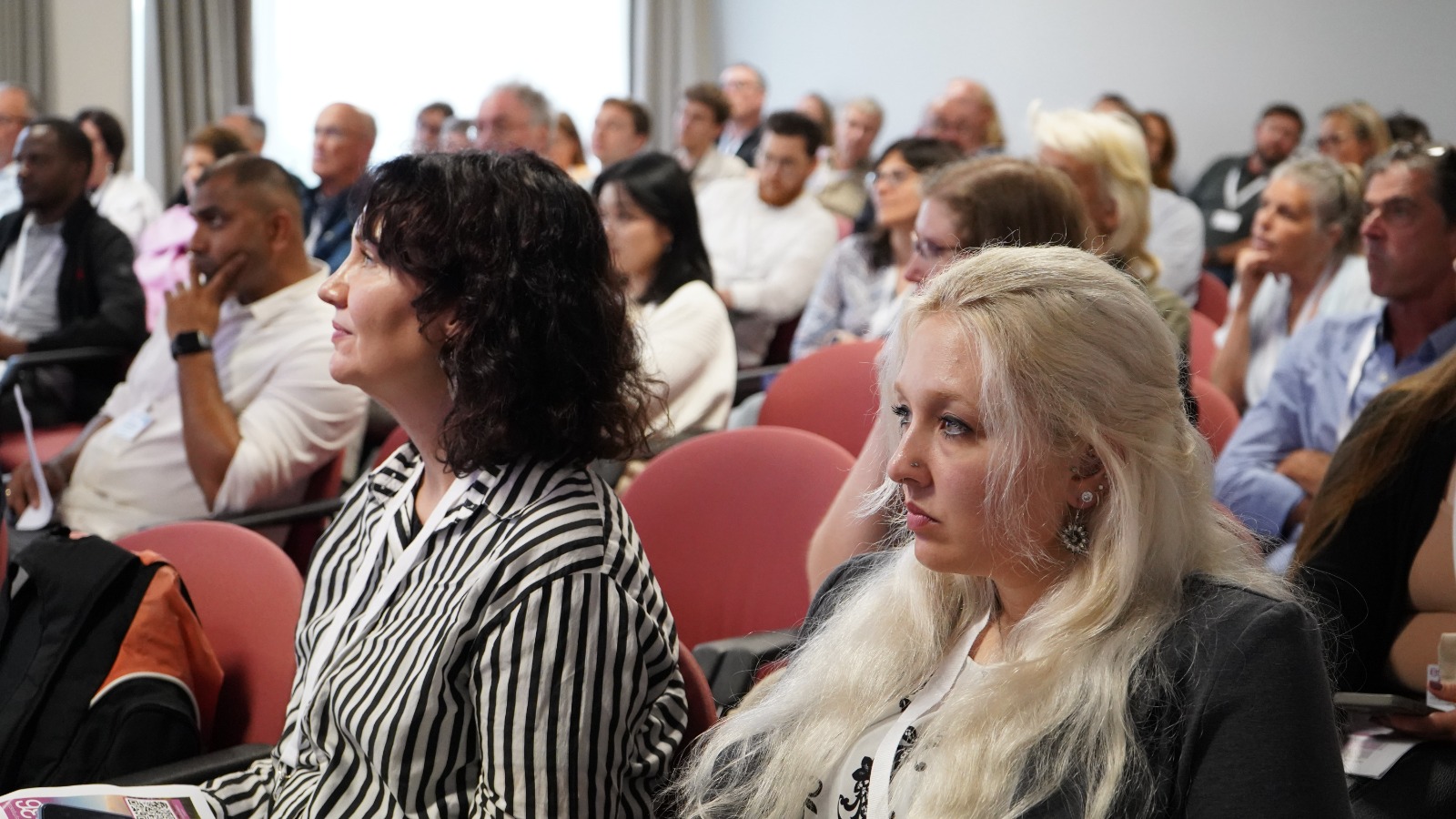
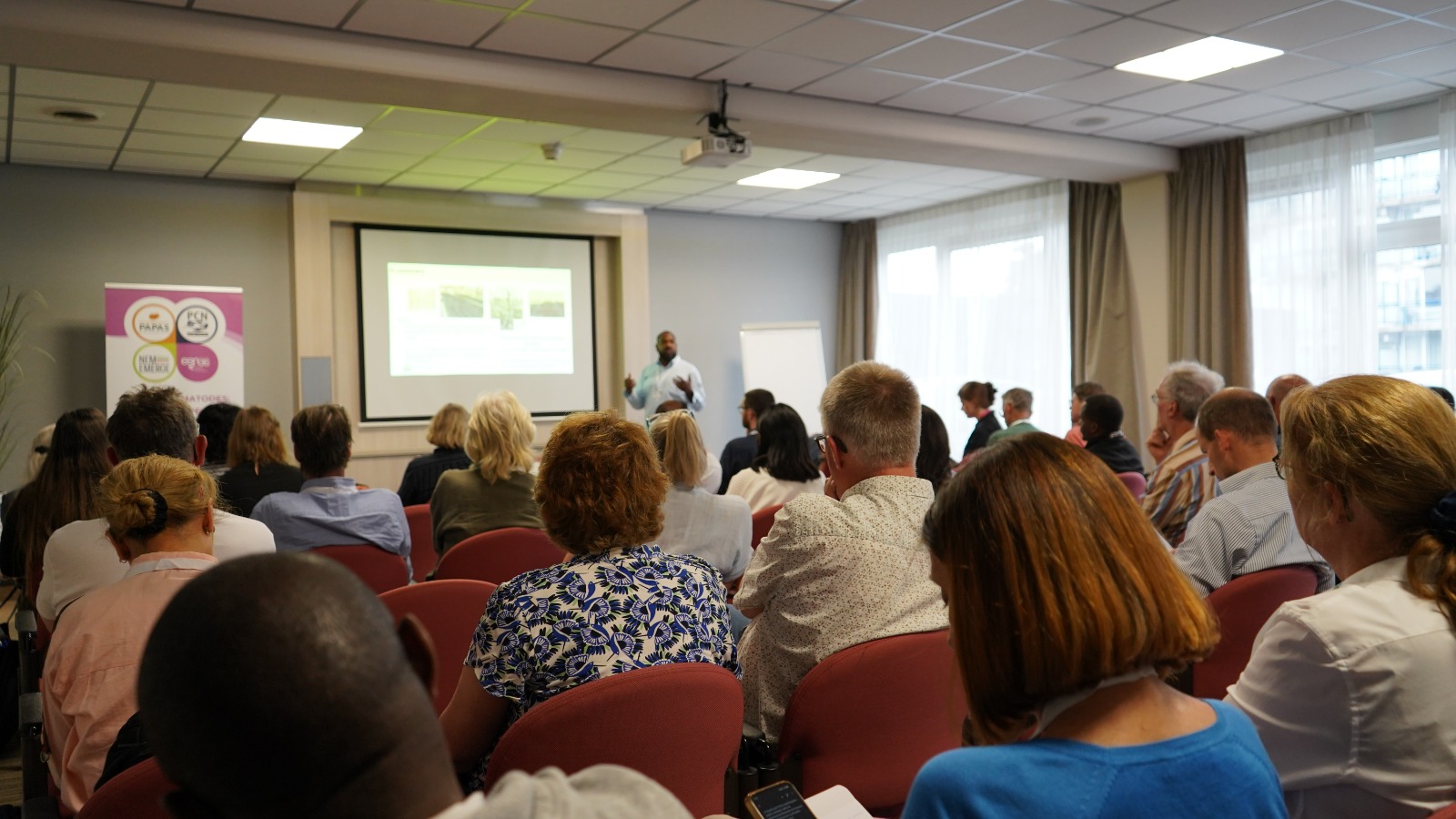
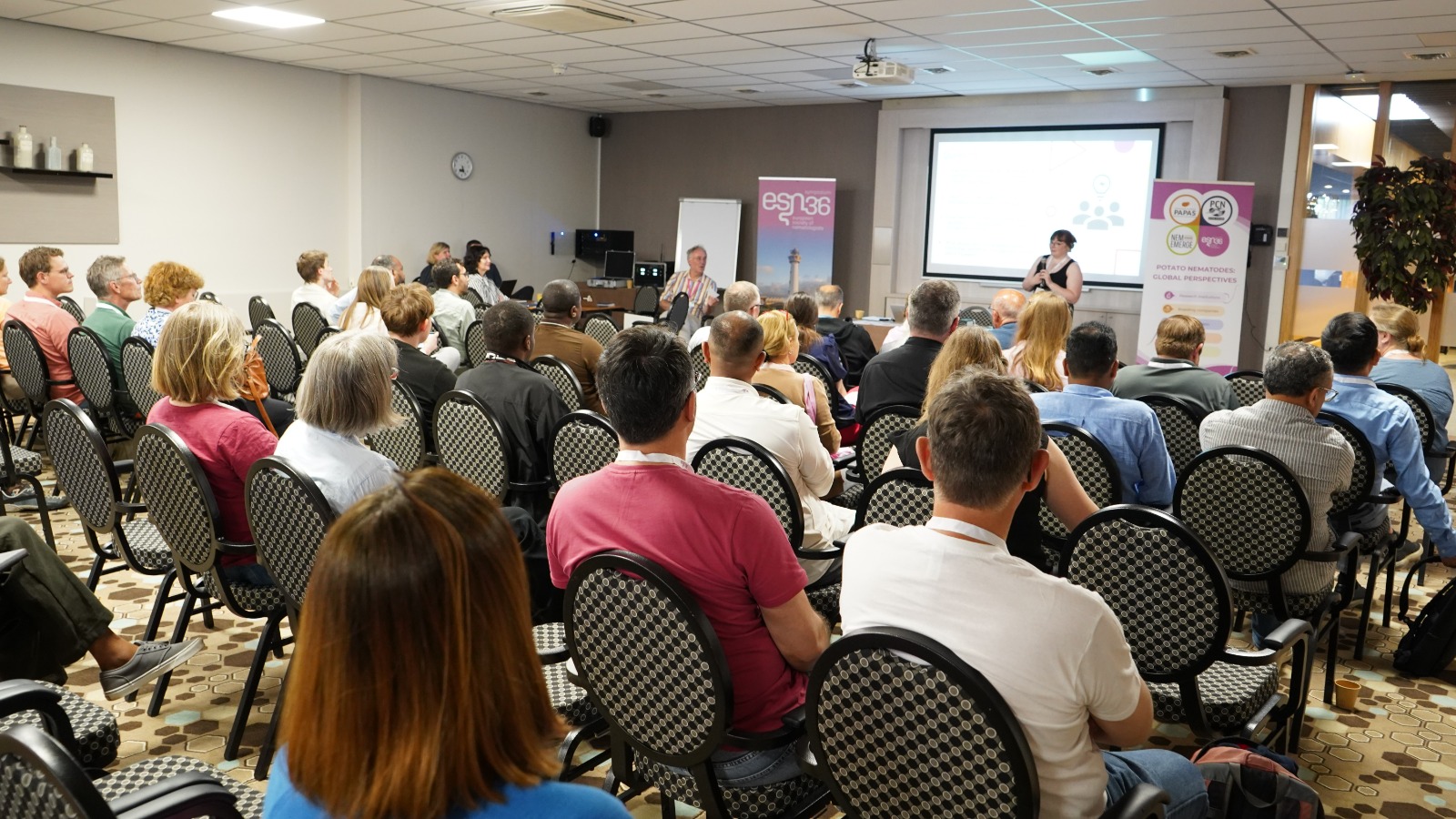
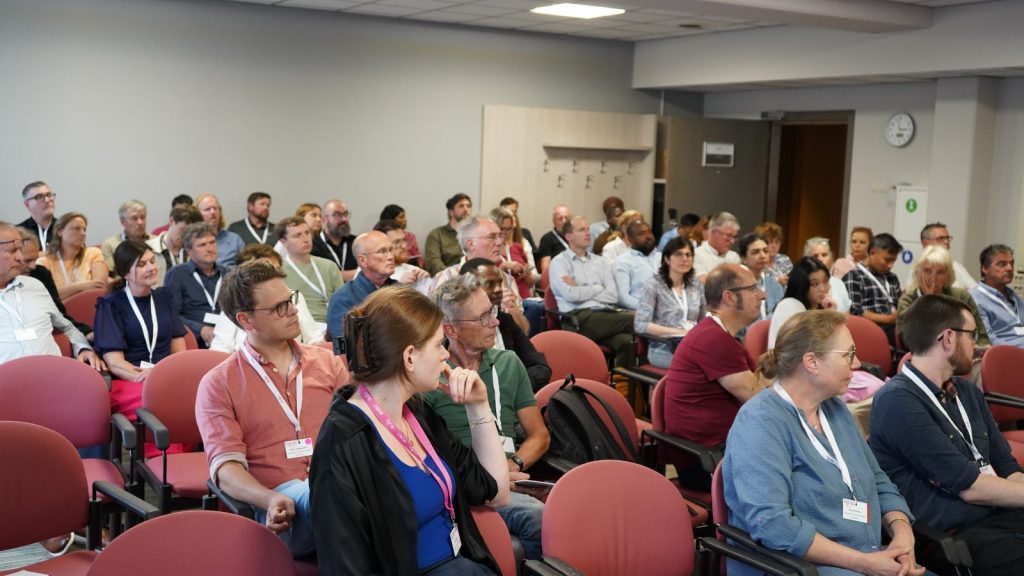
On 2 June 2026, a dissemination symposium was held as part of the ESN 2026 Symposium in Egmond aan Zee, the Netherlands. Three projects focusing on potato cyst nematodes took part: PCN Action Scotland (from the UK), PAPAS (from the USA) and NEM-EMERGE. They shared topics that the projects are working on, the challenges in potato management, and the effectiveness of current and future tools for addressing nematodes, with more than 60 attendees at the session.
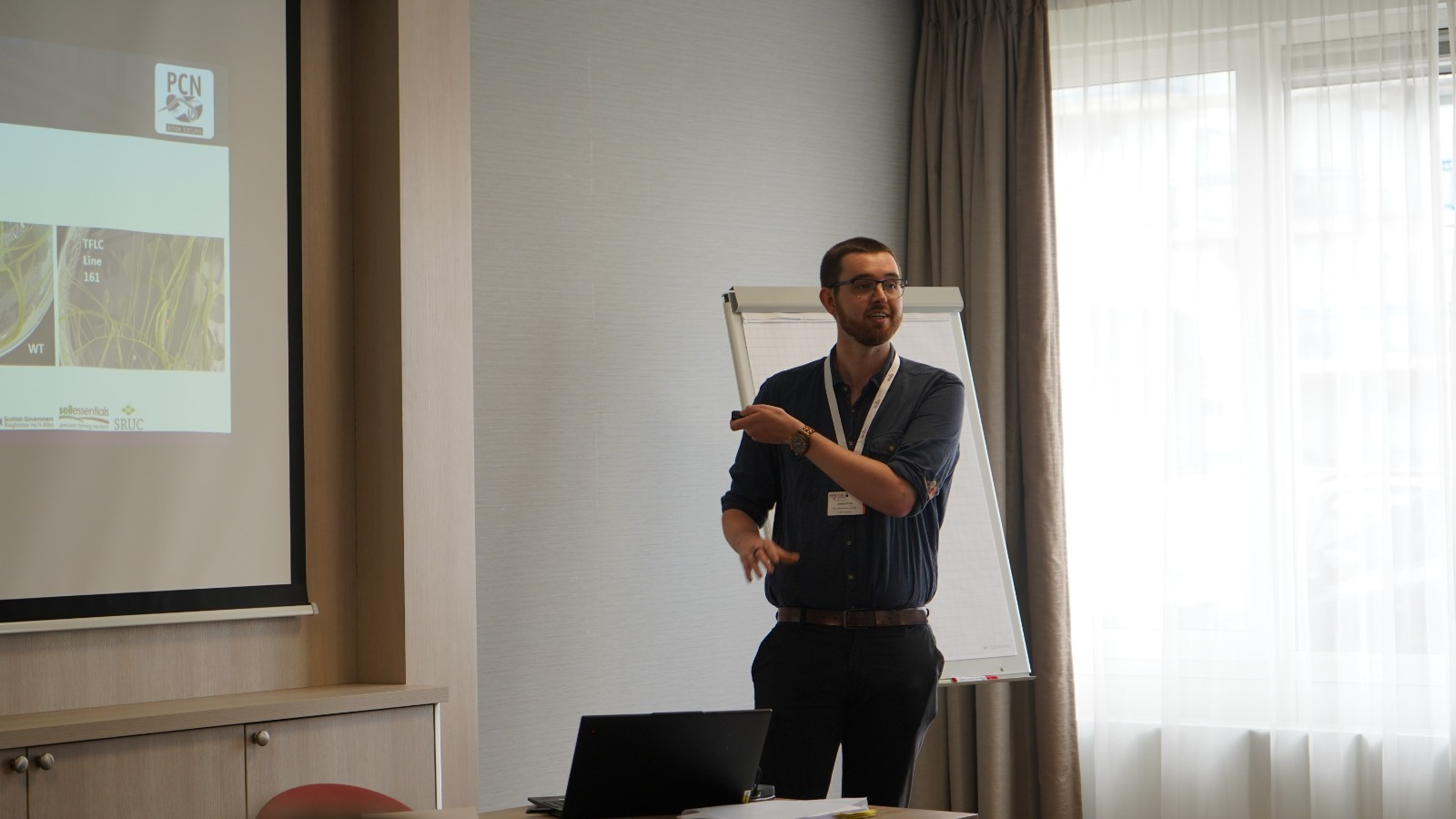
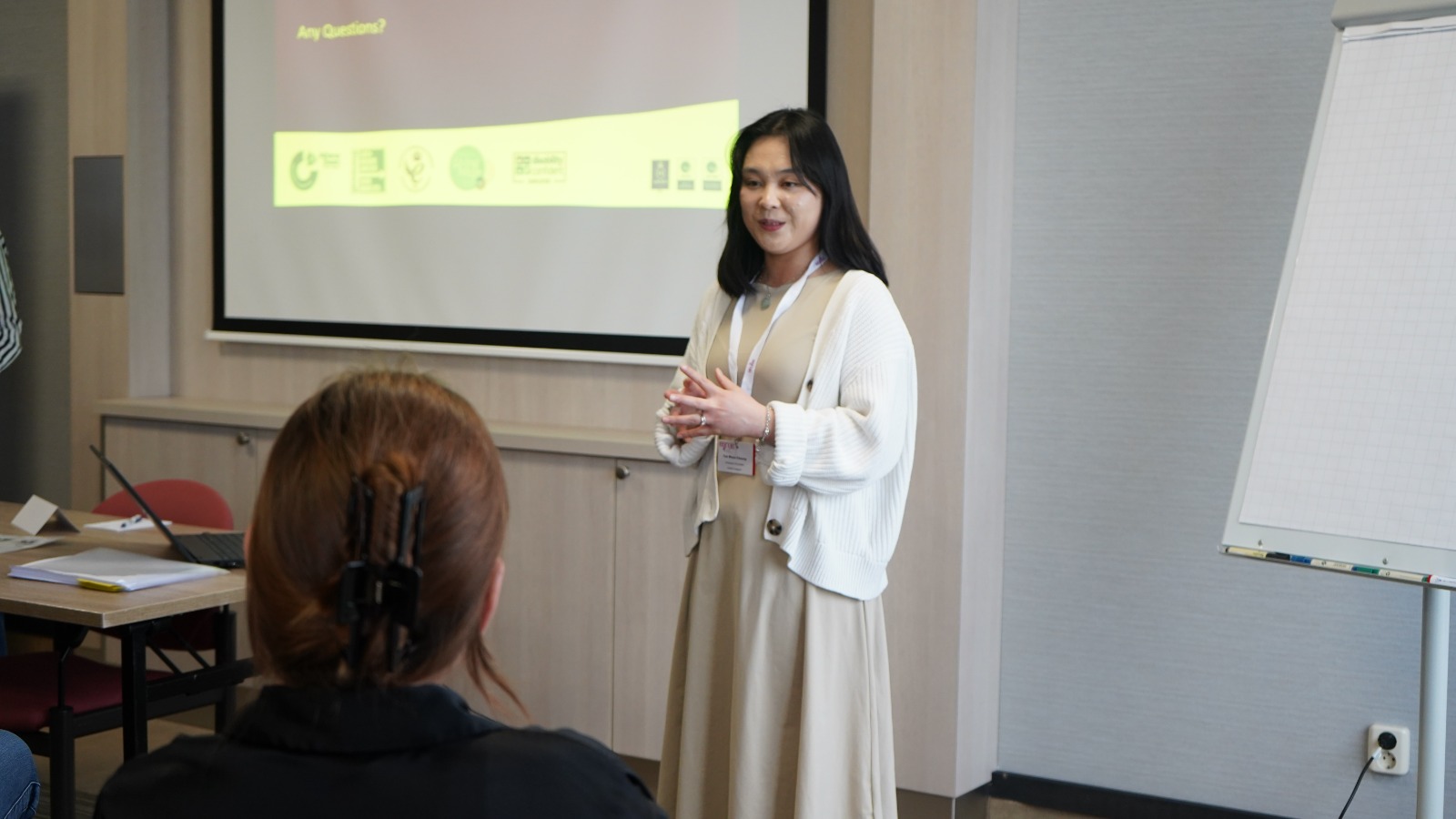
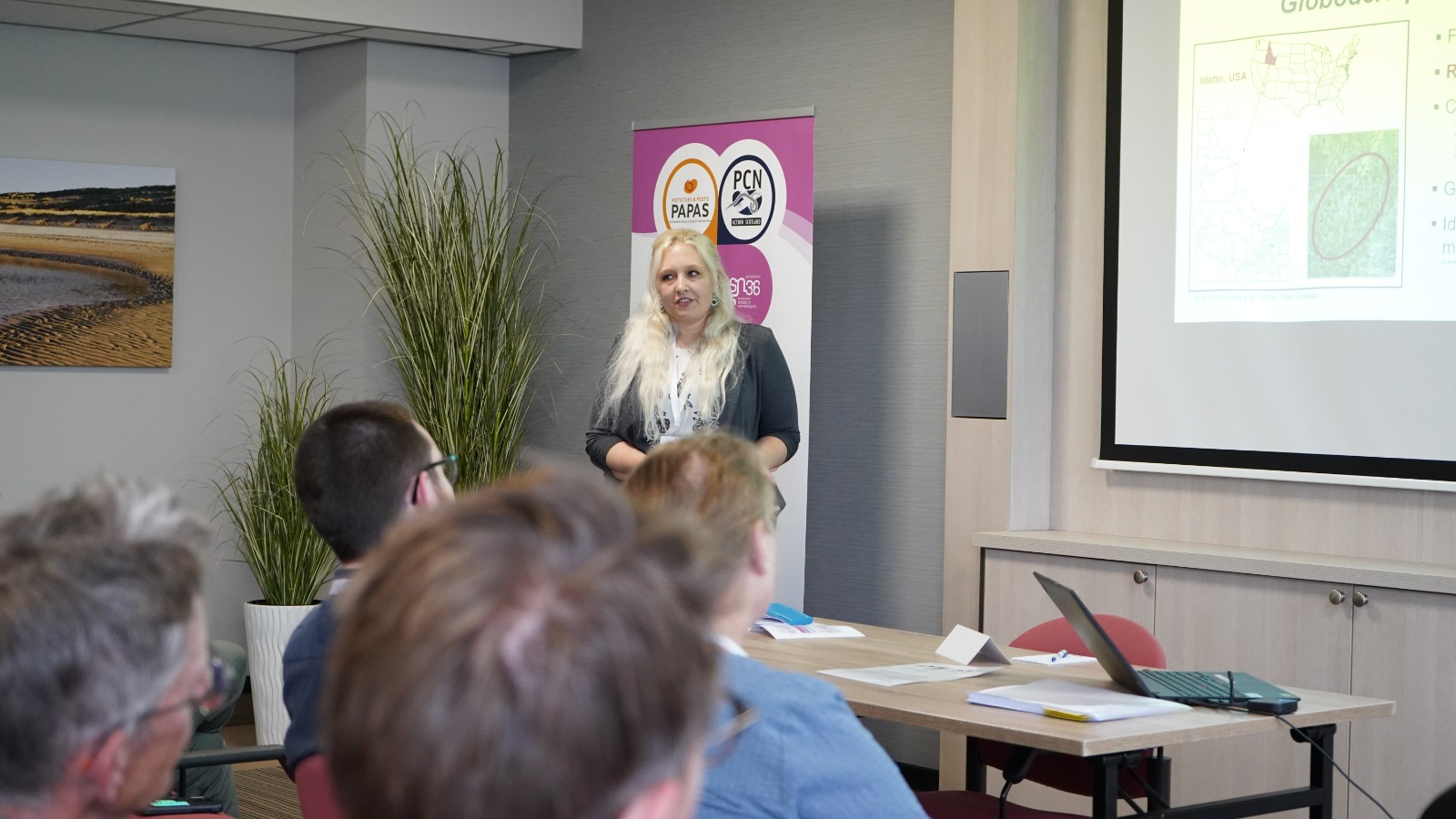
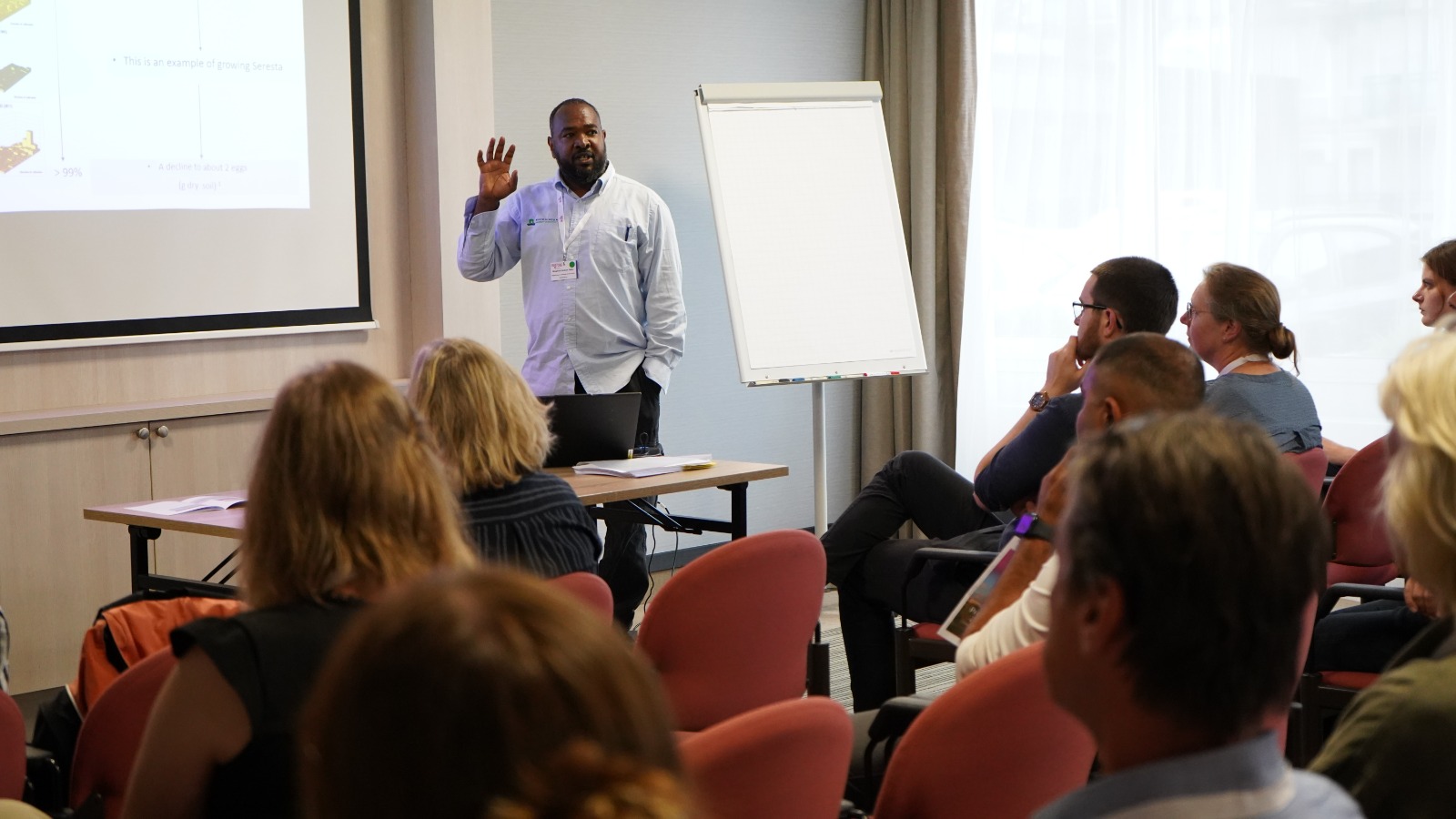
The symposium had two parts. The first part was dedicated to presenting the three projects and some specific aspects of the research conducted in each, which served as a warming-up activity for the group discussion session that followed this. James Price, manager of the recently concluded PCN Action Scotland project, provided an overview of the project and its achievements. Subsequently, Yuk Woon Cheung, a project partner, presented the high-resolution genetic delineation of the H1 resistance locus of potatoes against PCN.
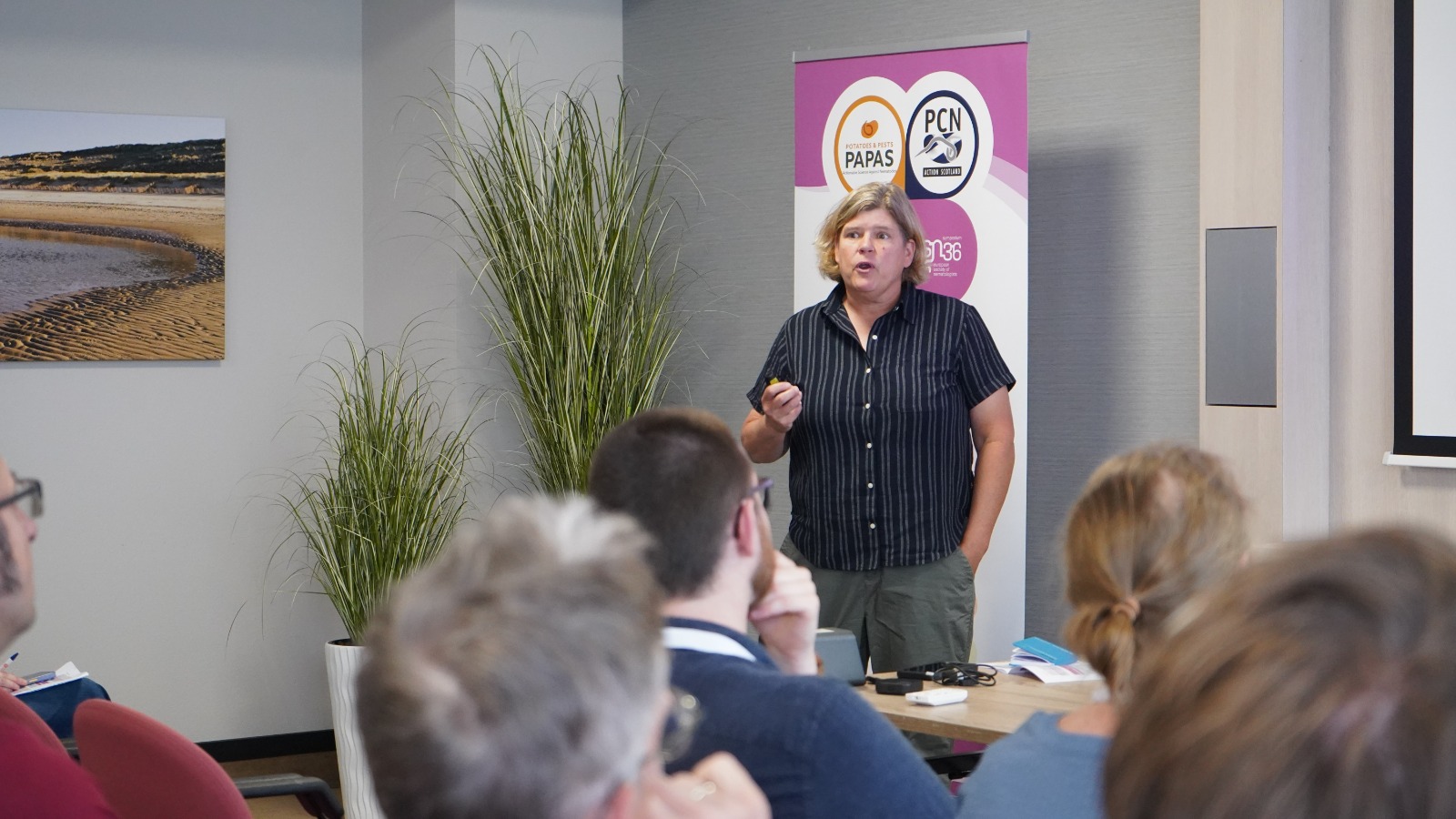
Along similar lines, Inga Zasada (NemaSolutions diagnostic lab, Oregon) and Paige Hickman (University of Idaho), representatives of the PAPAS project, discussed the systems approach to controlling nematodes in US potato production that they have developed. This includes the use of trap crops and crop rotation to efficiently control different PCN species.
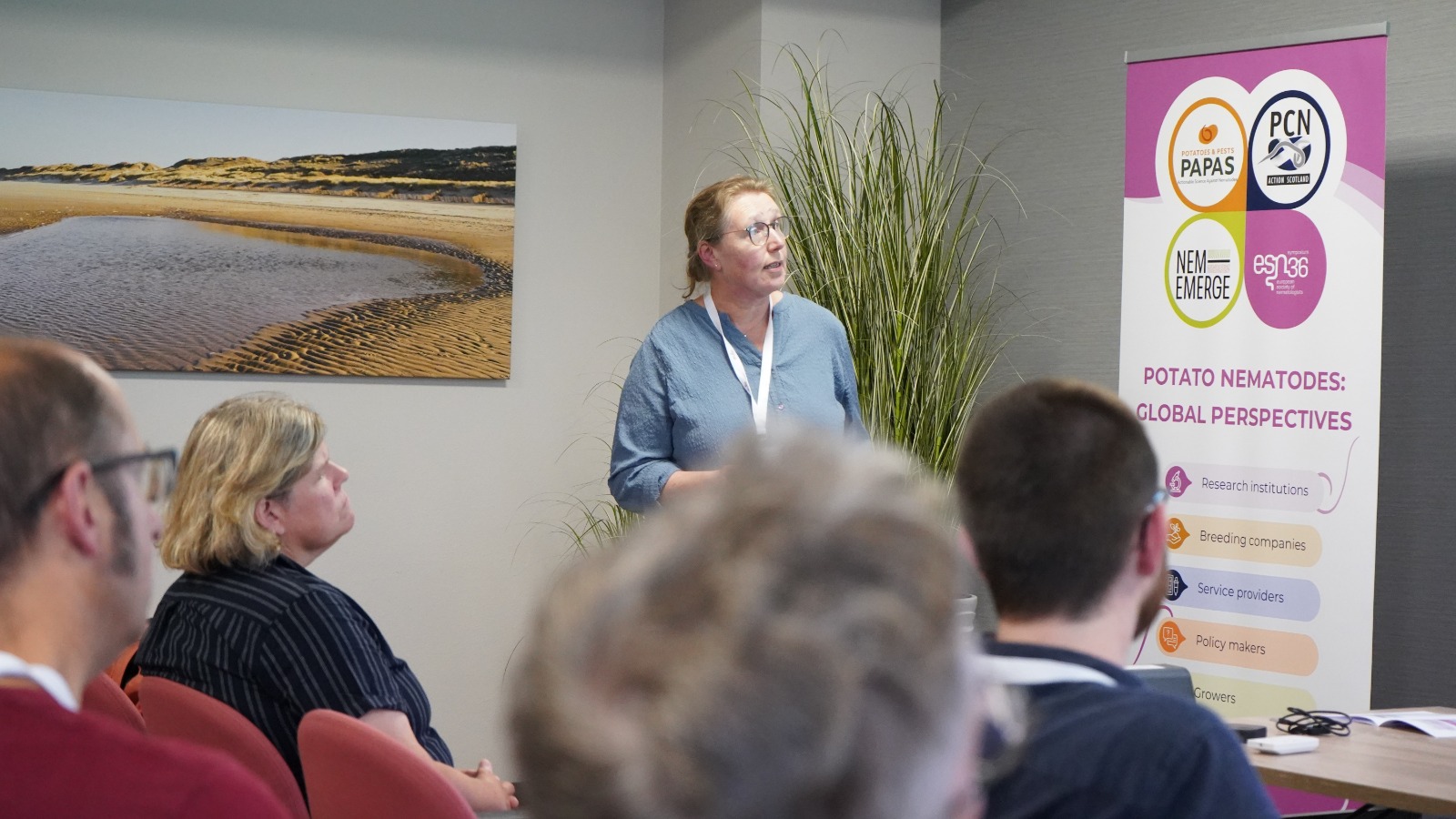
Finally, representing NEM-EMERGE, the coordinator Aska Goverse offered a general overview of the project and its approach, whereas Misghina Teklu, a partner from Wageningen University & Research, presented the work carried out to find resistant wild potatoes as well as the experiments conducted to identify the mechanisms through which plants resist nematodes.
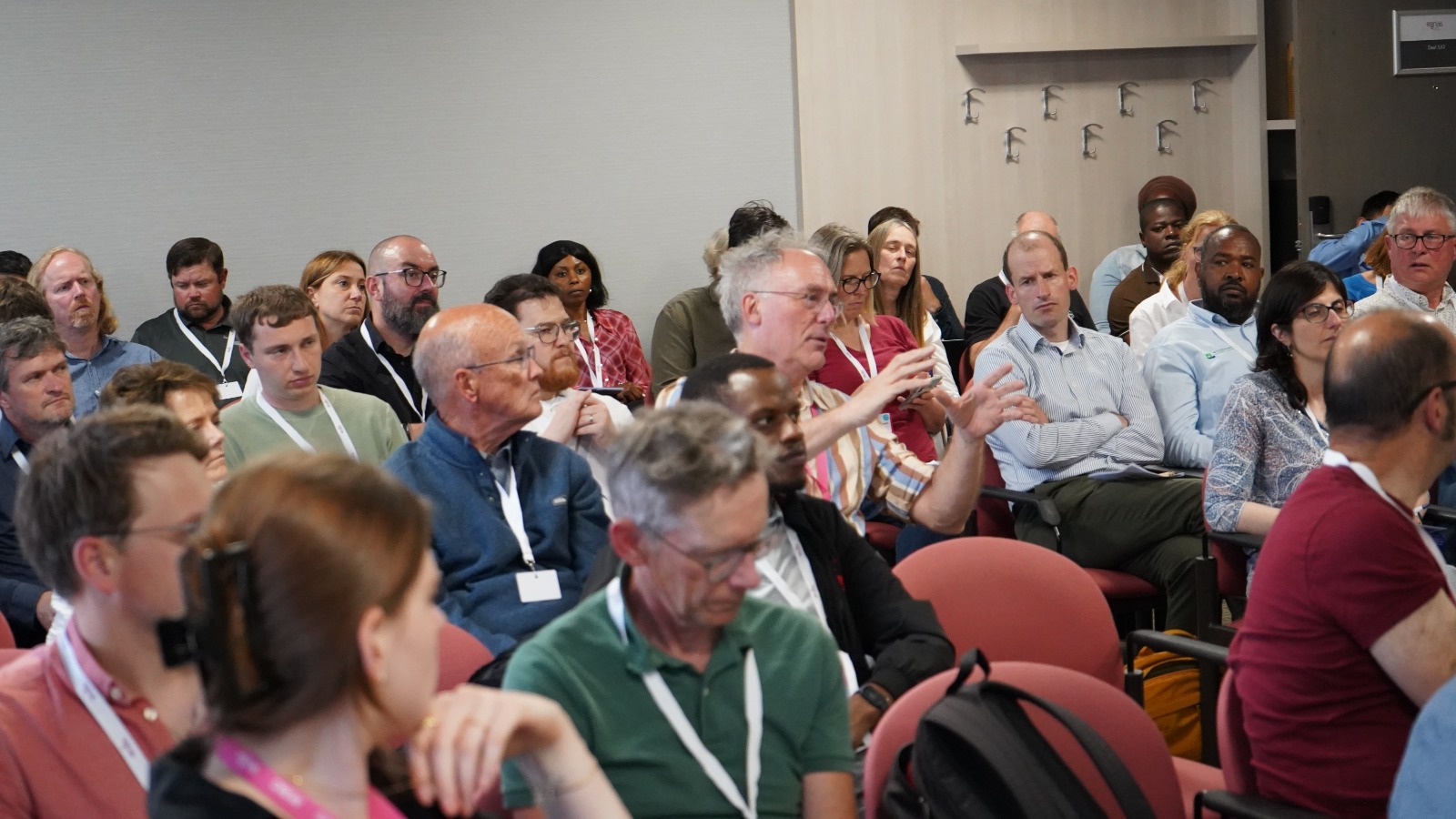
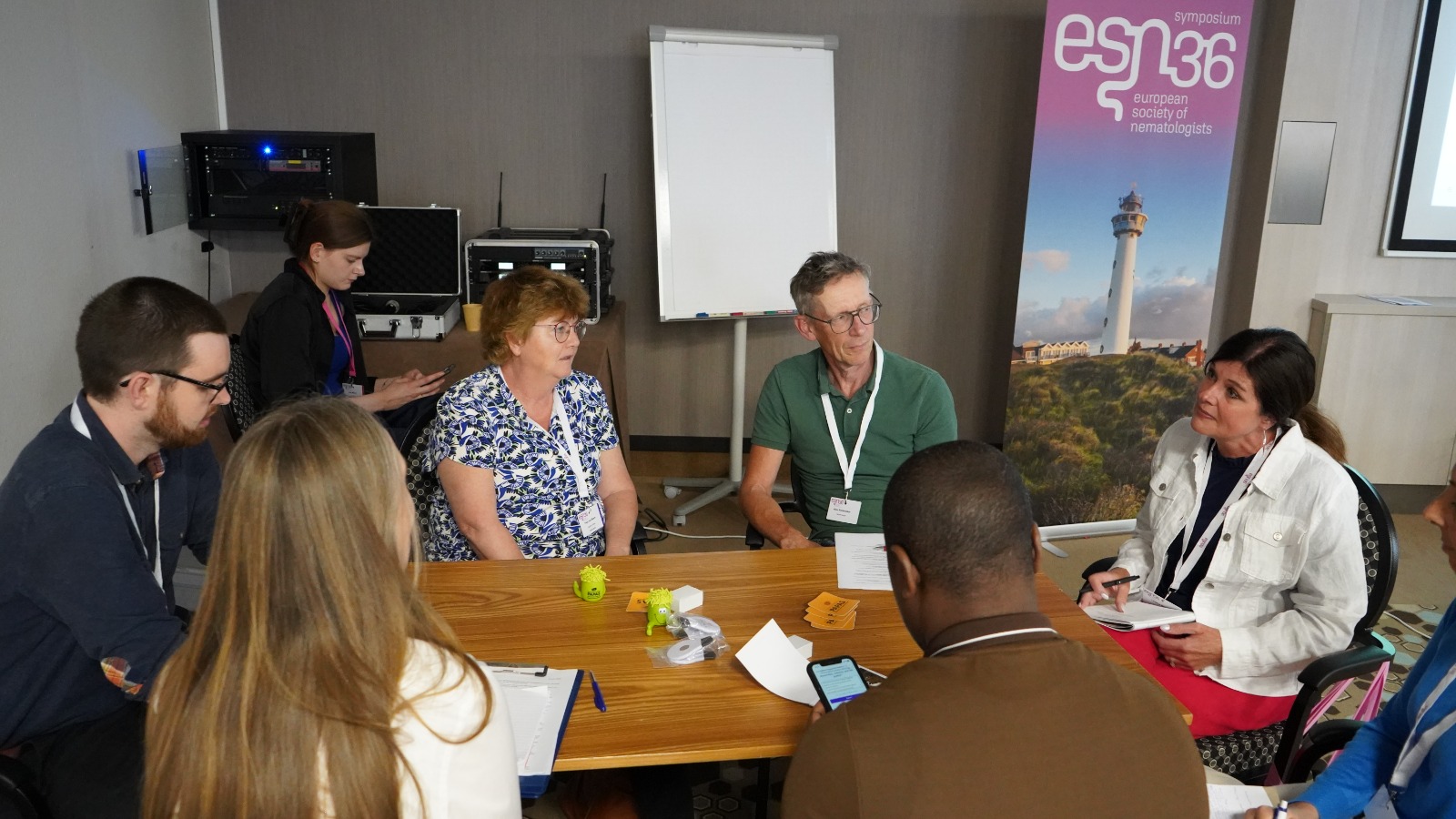
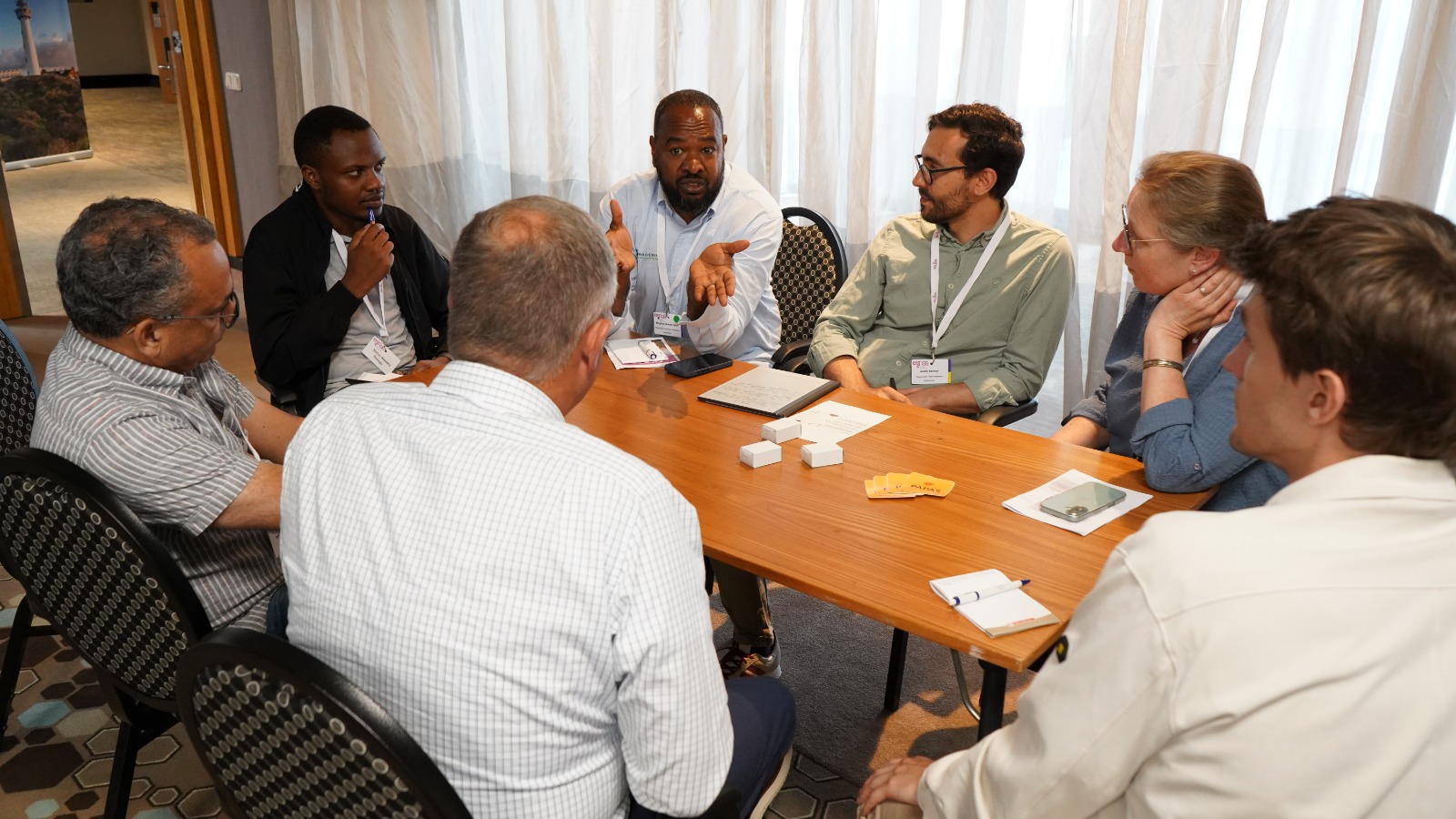
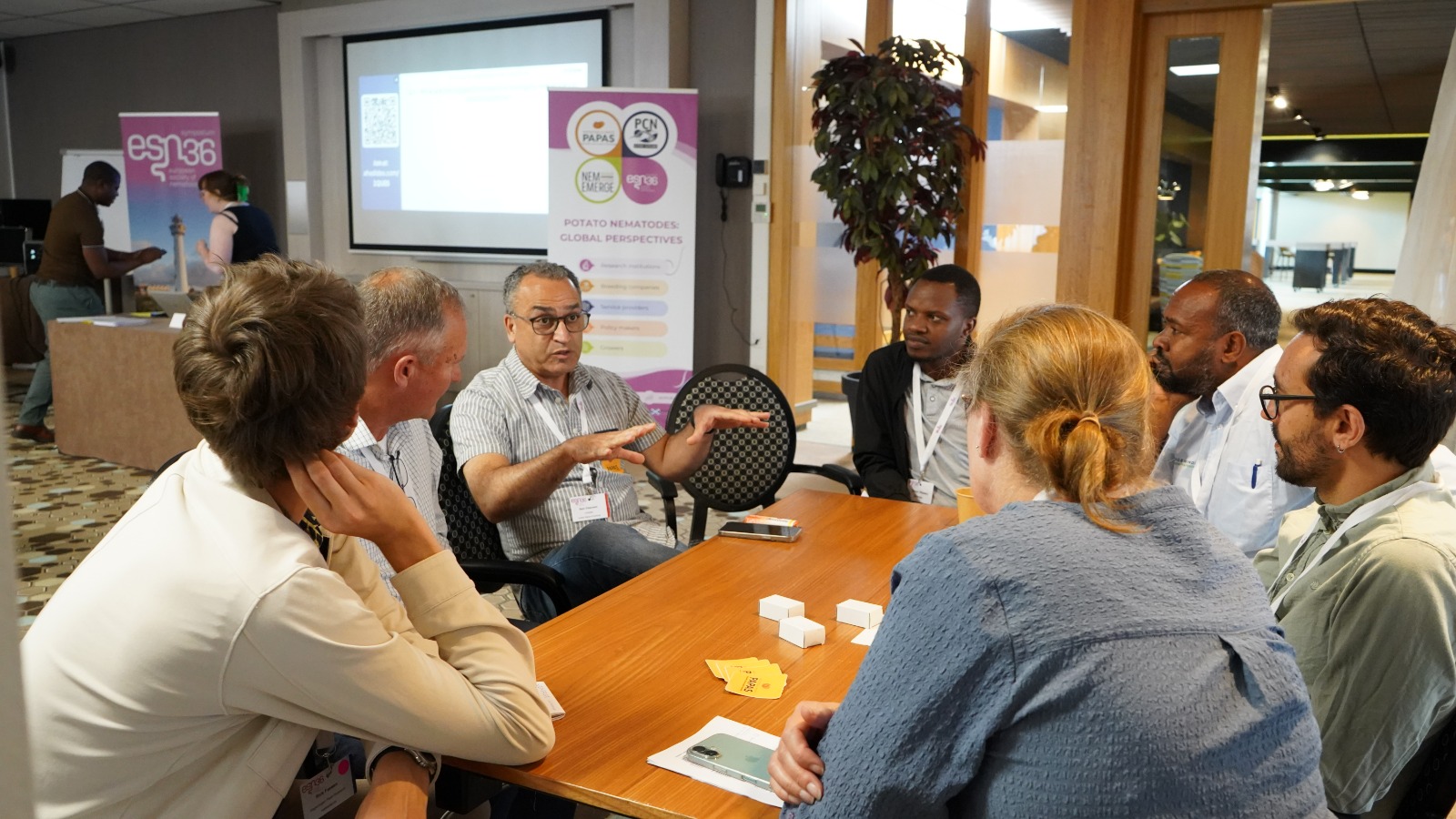
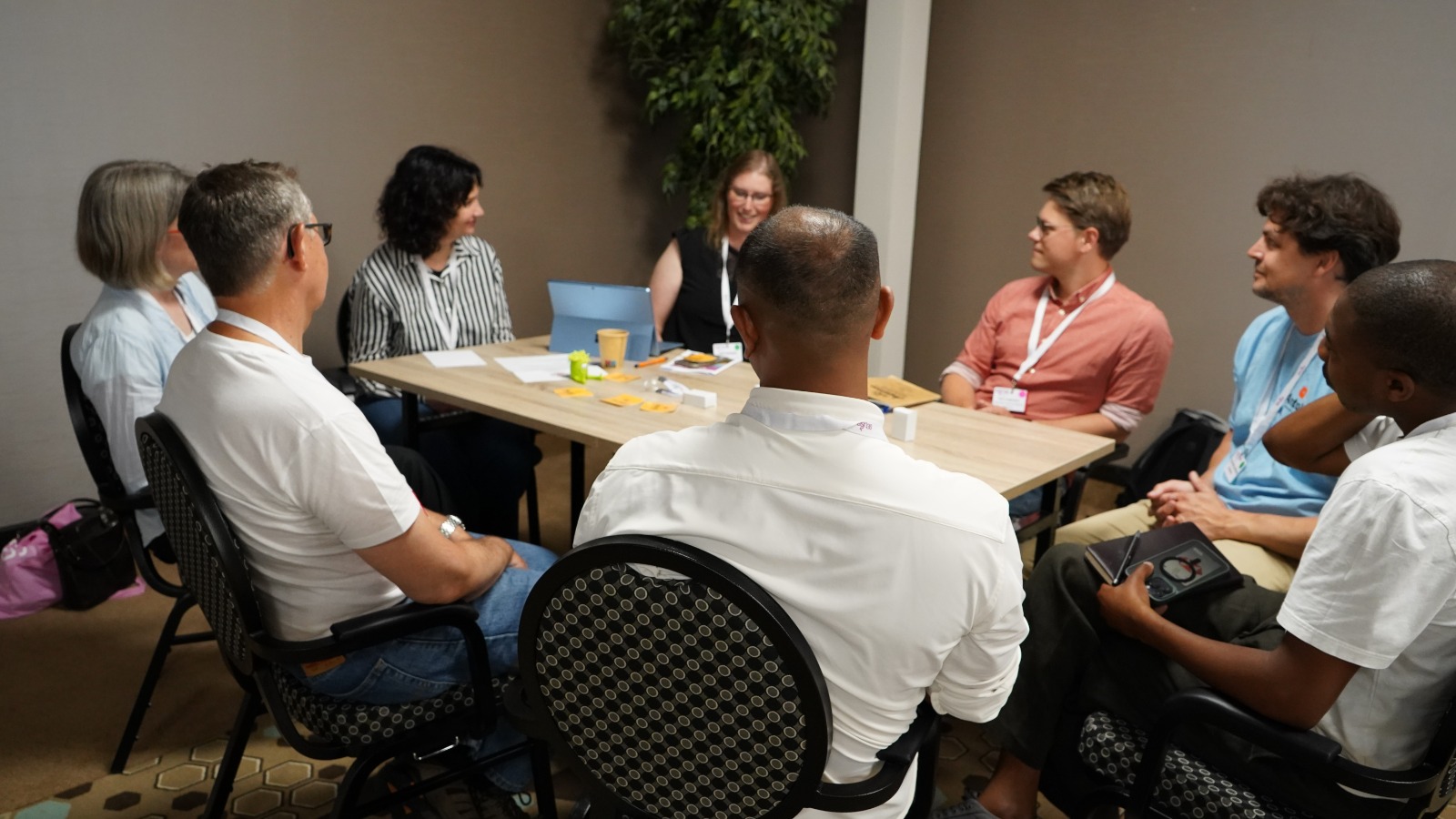
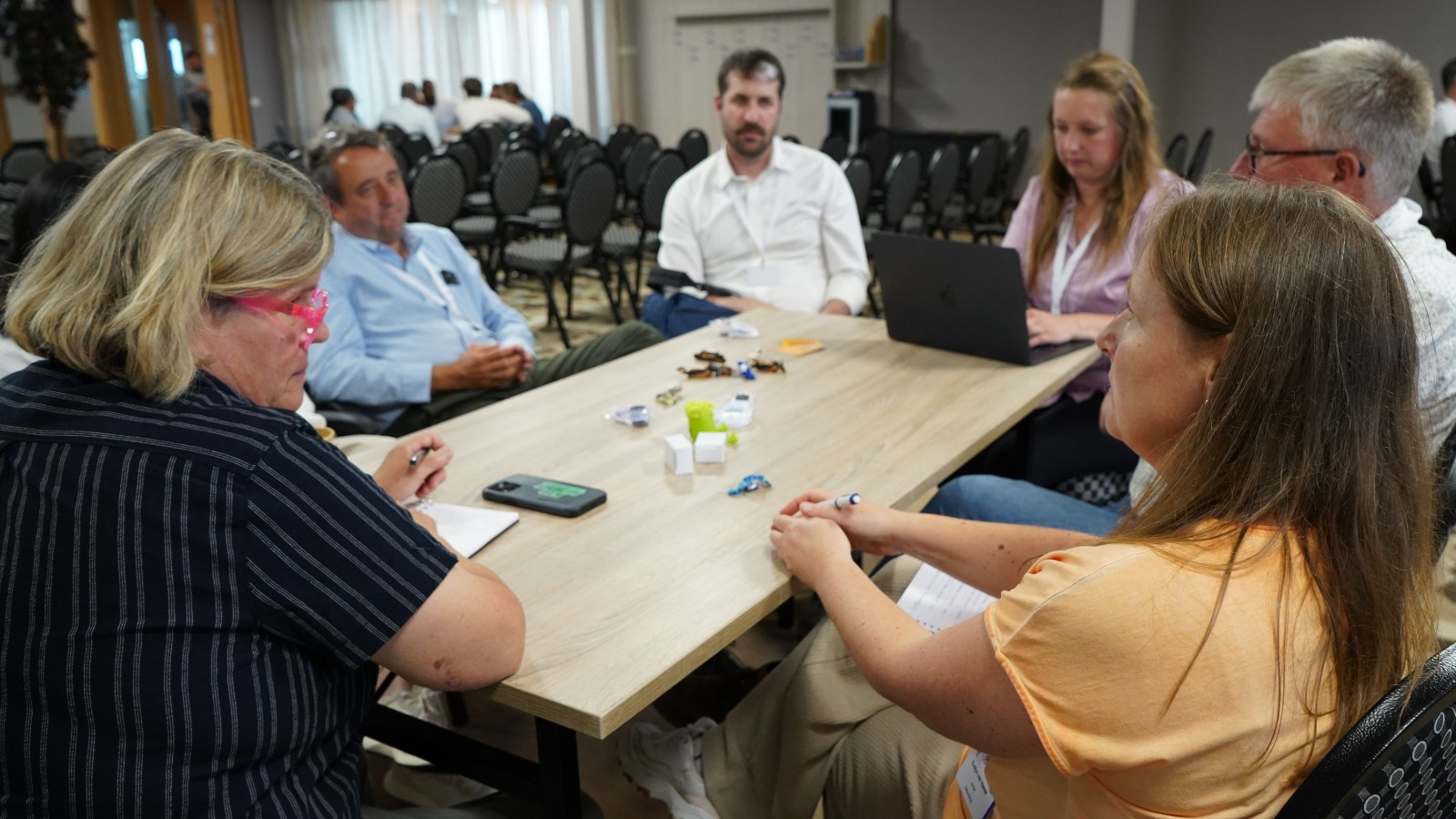
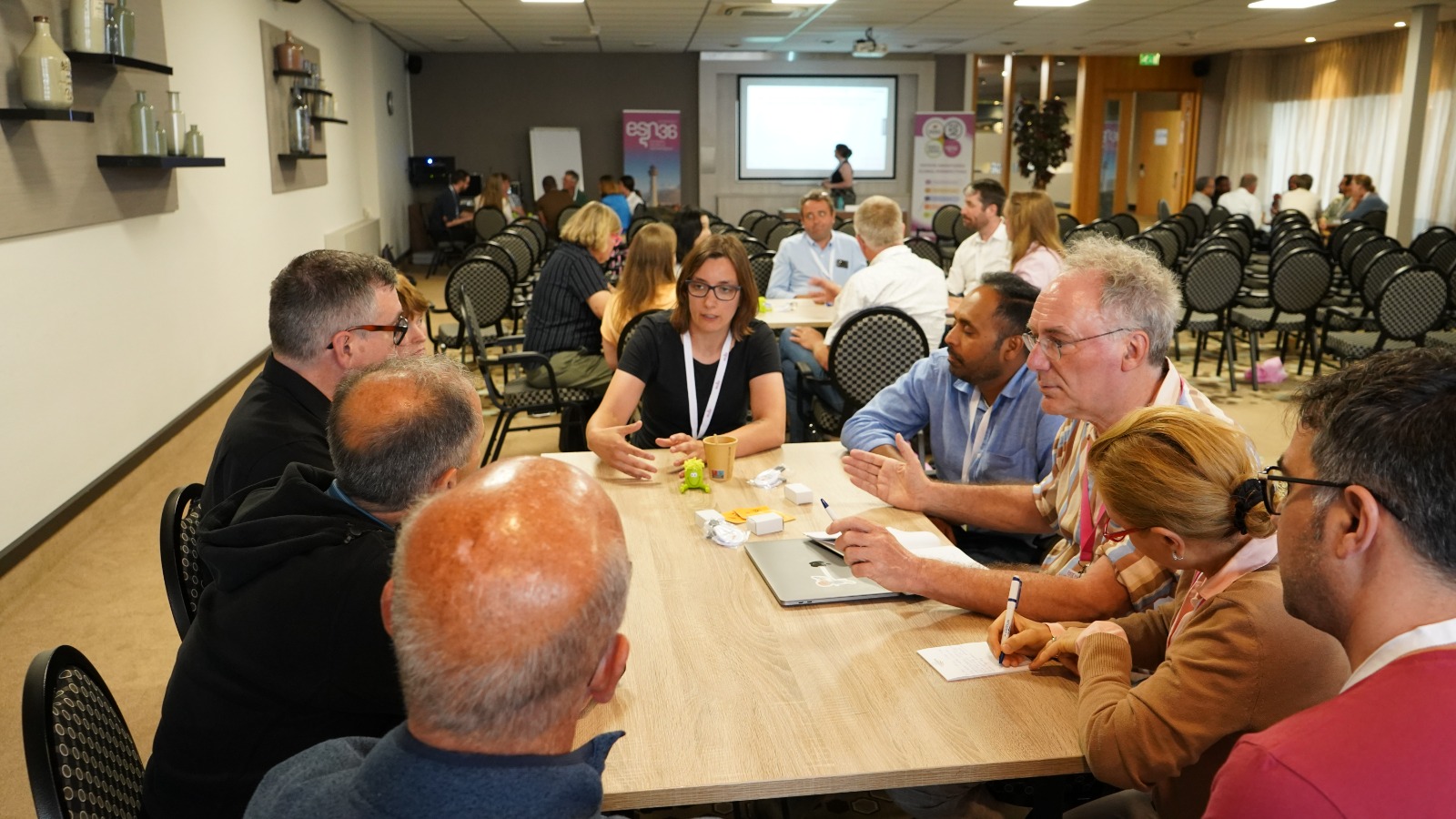
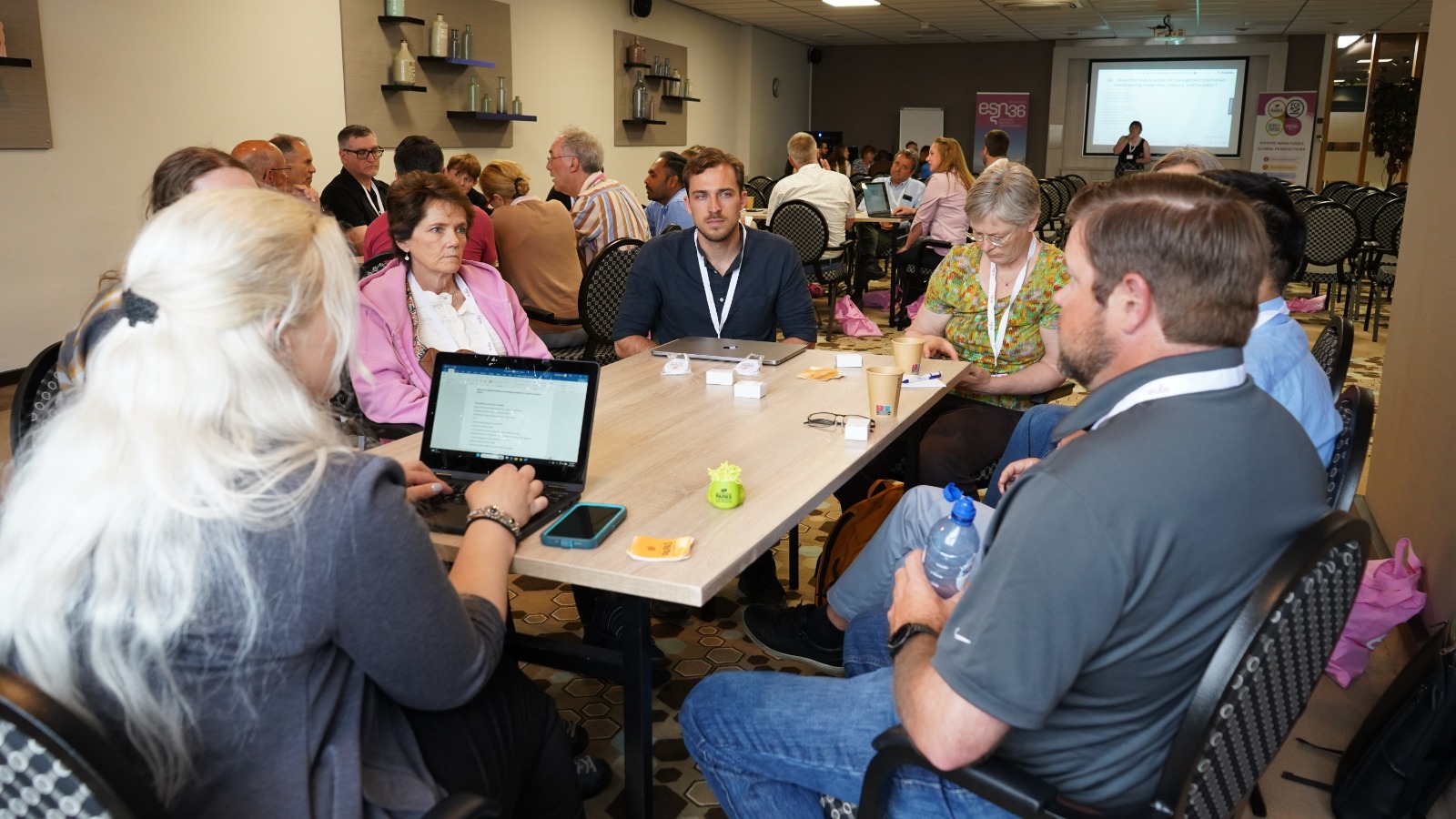
The second part of the symposium was the Potato Nematode Workshop. Around 40 invited participants from the USA, Scotland and various European countries, all from the potato production sector and including researchers, growers, breeding companies, advisors and policy professionals, shared their thoughts and experiences on problems with potato cyst nematodes and how they tackle them.
Participants were divided into small groups to discuss topics such as the main limitations in nematode management and their opinions on current nematode management tools. The conversation then turned to what improvements in nematode management could have the greatest impact.
Representatives from the three projects, as well as participants from different sectors of the potato production value chain, were pleased with this session. They emphasised the opportunity to share insights with people from other countries who are facing similar challenges with potato cyst nematodes and other pests, but are addressing them in different ways. They also praised the atmosphere of the workshop, where people listened carefully to each other despite coming from different sectors and viewing the problems with nematodes from different angles, with the aim of learning from each other.