Evaluating PCN-resistant potato varieties and their benefits for smallholder farmers in Kenya
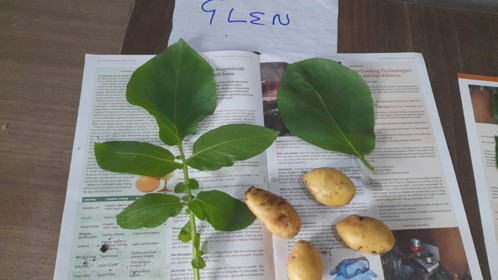
NEM-EMERGE is assessing the agronomic performance and socio-economic potential of PCN-resistant potato varieties Malaika and Glen in Nyandarua County, Kenya, creating an opportunity to evaluate the wider impact of introducing resistant varieties into a major potato production system.
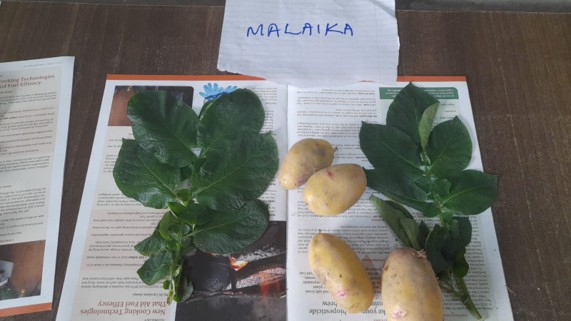
Potato cyst nematodes (PCN), particularly Globodera rostochiensis and Globodera pallida, pose a major threat to potato production in Kenya, with Nyandarua among the most affected counties. Their persistence in soil, combined with the widespread cultivation of susceptible varieties such as Shangi, makes their management particularly challenging. Historically, Shangi has been the dominant potato variety in the Kenyan market. Against this background, NEM-EMERGE is evaluating two PCN-resistant varieties, Malaika and Glen, comparing their productivity, market suitability and potential economic benefits with conventional varieties.
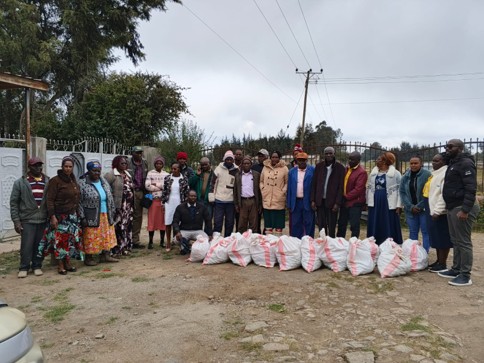
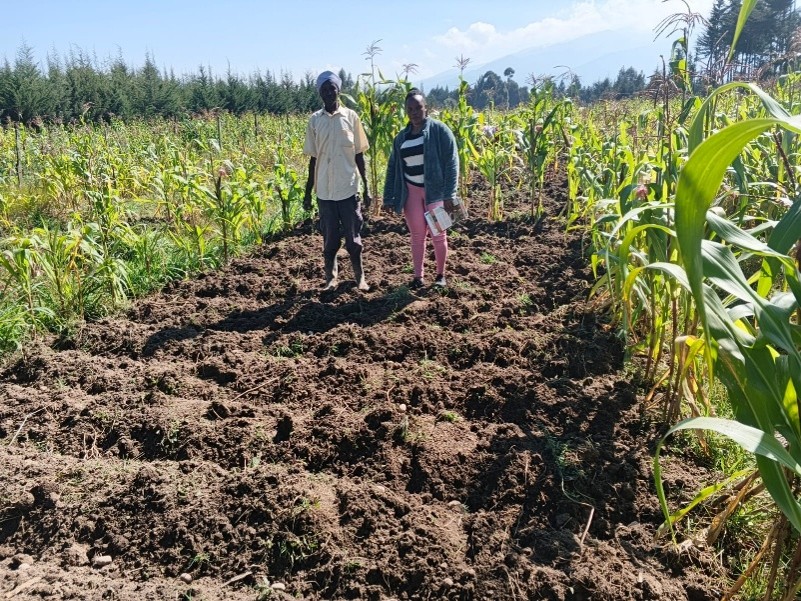
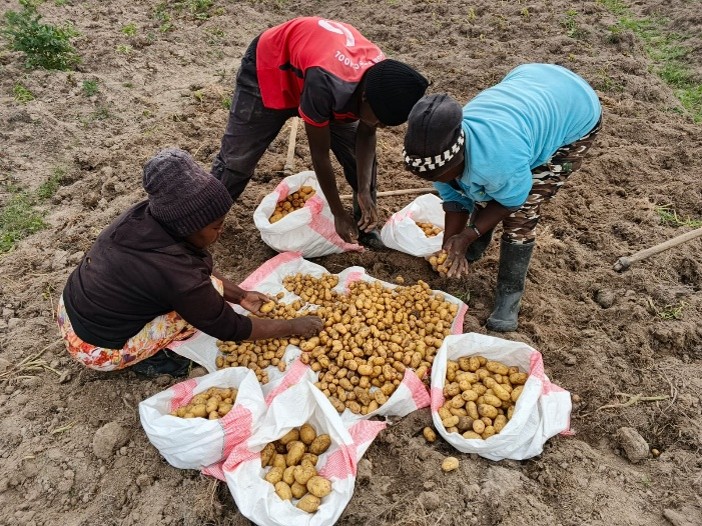
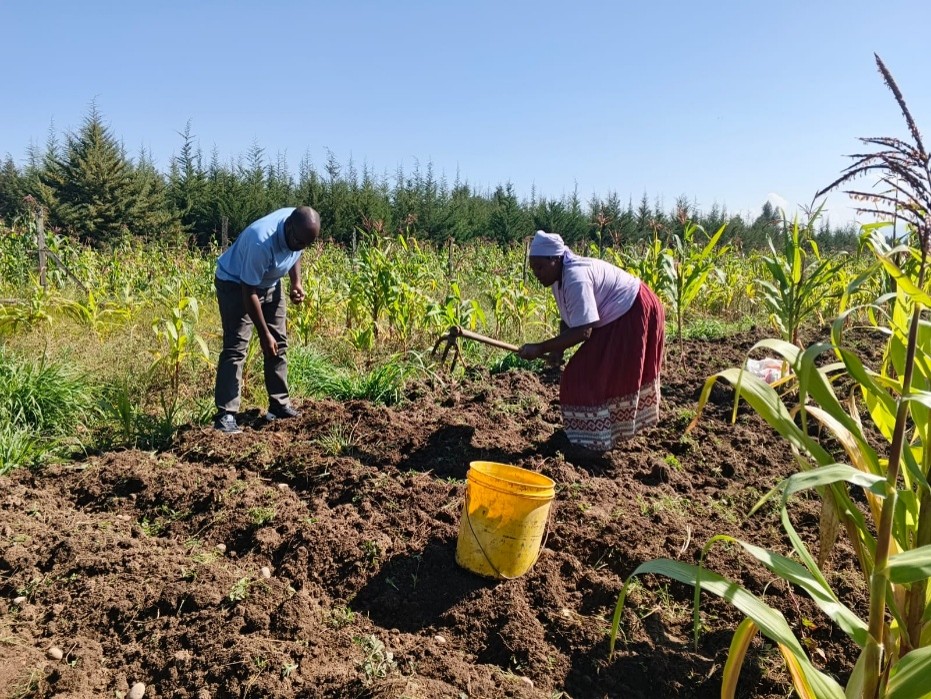
In July 2026, the project expanded its on-farm demonstrations in Nyandarua, distributing certified seed of Malaika and Glen to 10 seed multipliers (20 kg of each variety) and 34 smallholder farmers (20 kg of Glen each). Between August and November, the research team conducted regular field visits and maintained contact with participating farmers to monitor crop development and identify production challenges under normal farmer-managed conditions, without changing their usual agricultural practices.
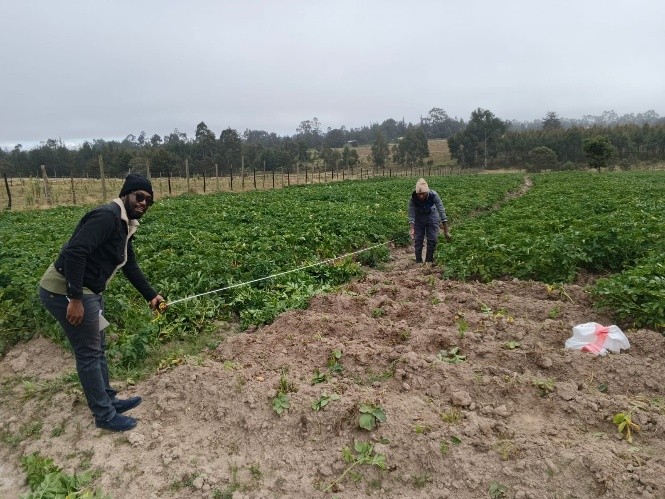
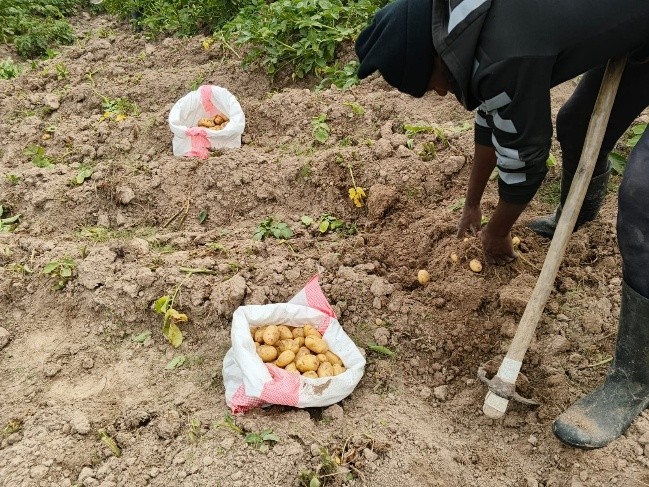
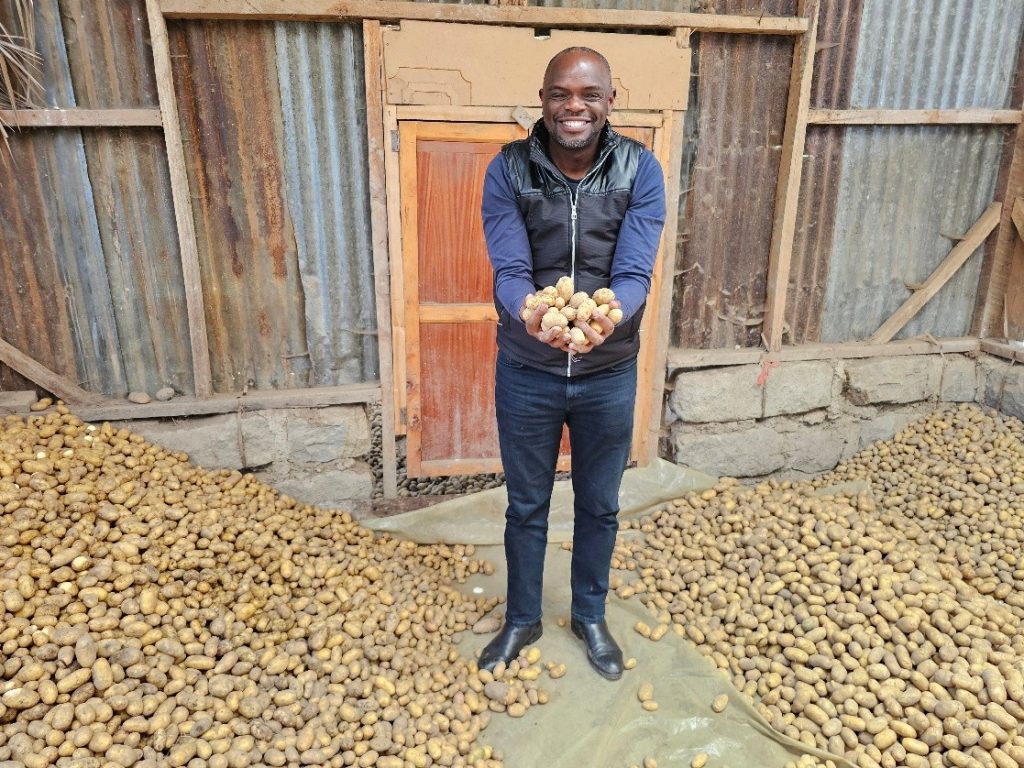
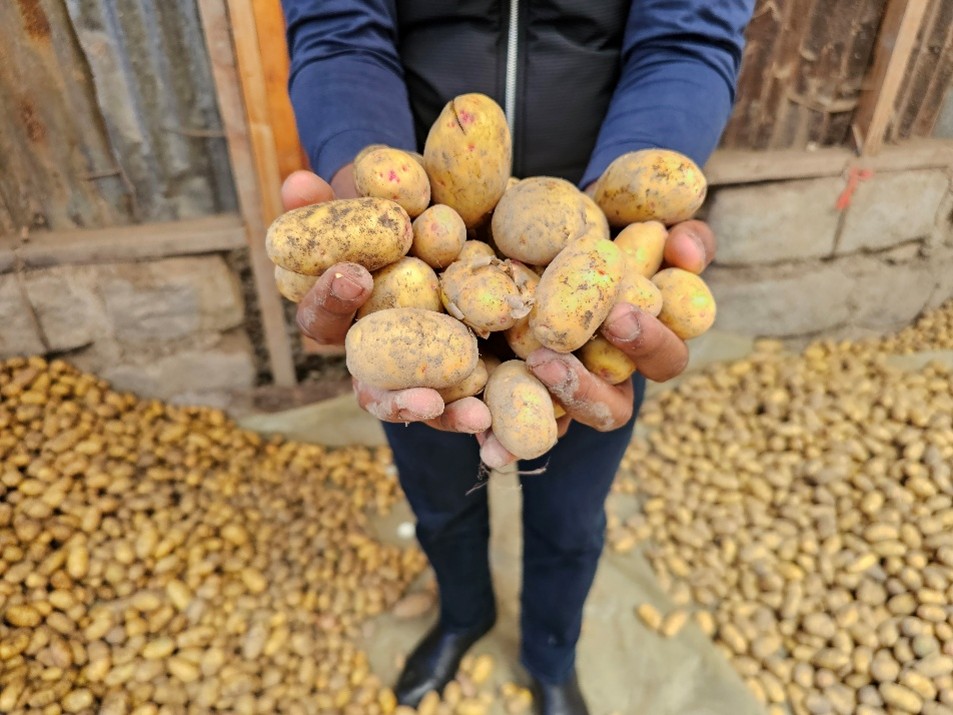
Alongside these demonstrations, initial field-based yield assessments were conducted between August and September 2026. Preliminary observations from 10 farmers revealed differences in tuber characteristics and market suitability: Malaika produced larger, more uniform tubers and recorded the highest seed-grade proportion (59.6%), while Glen achieved the highest tuber count per stem (26). Shangi, meanwhile, maintained the strongest ware-market appeal, with 58.6% of its production classified as ware potatoes. Malaika and Glen also showed lower post-harvest losses, although their longer maturity periods and specific management requirements may present challenges for farmers.
In November and December 2026, NEM-EMERGE will continue its assessments through farmer surveys and comparative varietal performance evaluations, including harvesting activities scheduled for late November and early December. Beyond assessing the agronomic and economic performance of the new varieties, this research provides an important opportunity to establish a baseline against which their future adoption and impact can be measured. If Malaika and Glen achieve significant market uptake, the project could help generate valuable evidence on the damage caused by PCN and quantify the difference that resistant varieties can make to potato productivity, farmers’ livelihoods and the sustainability of this key food crop.