NEM-EMERGE young researchers: Advancing root-knot nematode resistance through research in Kenya
Young researchers play a key role in advancing nematology research and developing solutions to the challenges posed by plant-parasitic nematodes. Through its commitment to fostering young talent, the NEM-EMERGE project supports research placements that enable early-career scientists to broaden their scientific experience, exchange knowledge and contribute to the development of innovative approaches to nematode management.
As part of this initiative, Jasper Chippendale visited Prof. Danny Coyne at the International Institute of Tropical Agriculture (IITA) in Kenya, where he worked on evaluating the resistance of Kenyan potato breeding lines to root-knot nematodes.
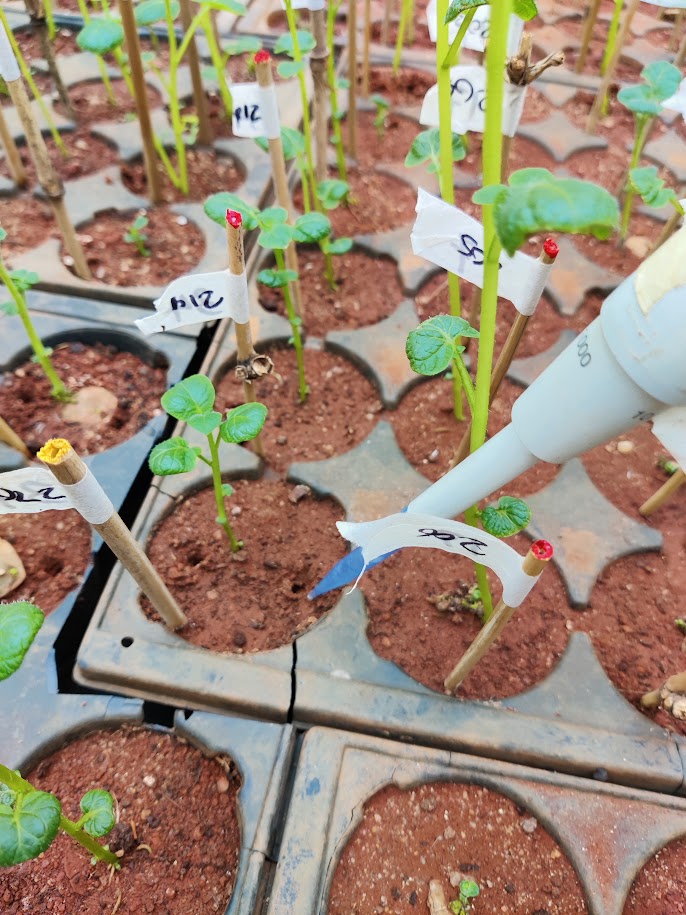
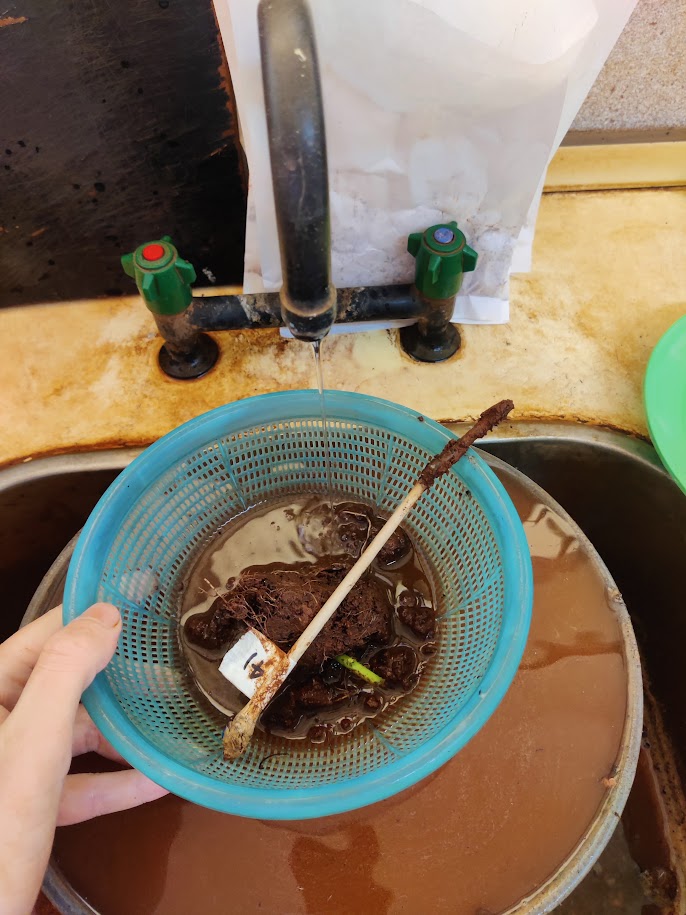
The research involved screening 100 mid- to late-stage potato breeding lines representing different genetic backgrounds and a relatively high level of genetic diversity. Since root-knot nematodes are highly polyphagous pests that affect a wide range of crops in Kenya, identifying genetic backgrounds associated with resistance could provide valuable information for future breeding efforts. The findings may also contribute to the development of more effective and sustainable approaches to managing these pests, including potential alternatives to the heat-sensitive Mi resistance gene widely used in current breeding programmes.
Beyond the scientific work, Jasper’s stay provided an opportunity to exchange knowledge with local researchers and gain first-hand experience of the challenges posed by root-knot nematodes in Kenyan agricultural systems.
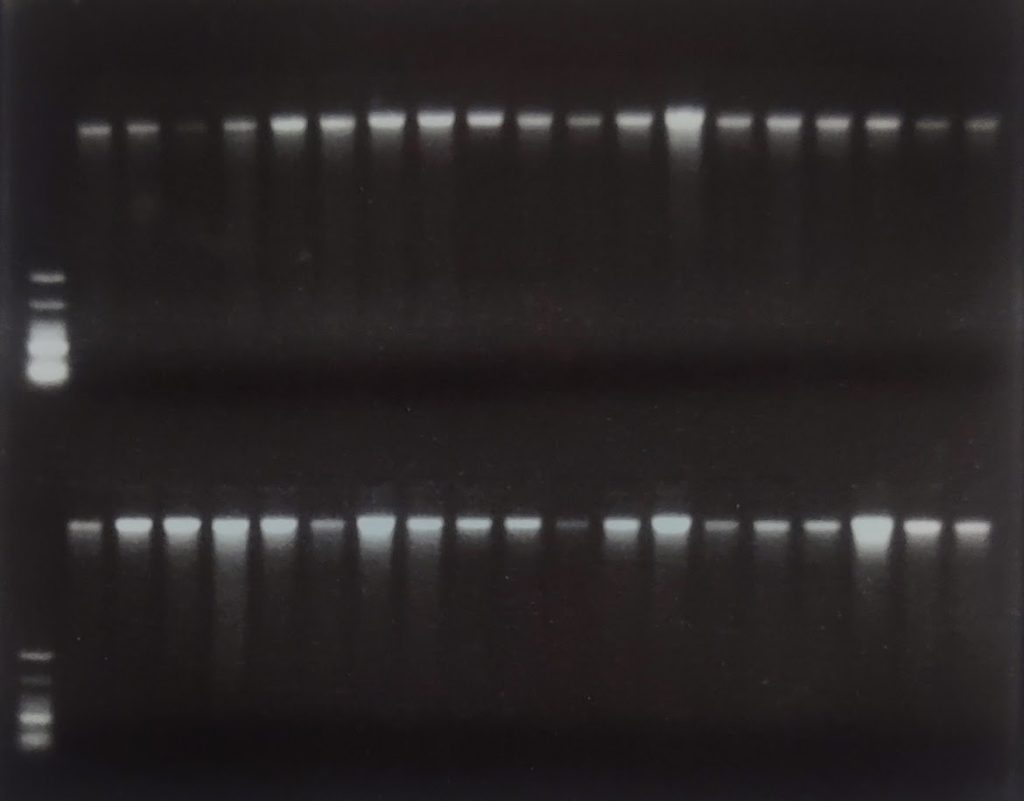
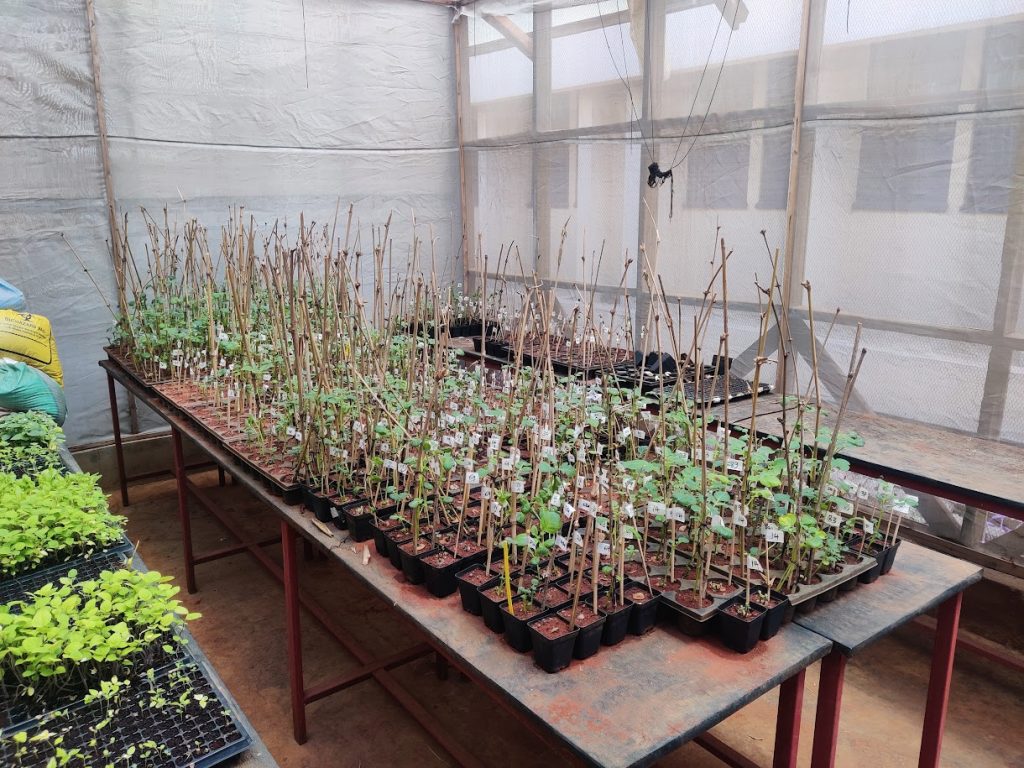
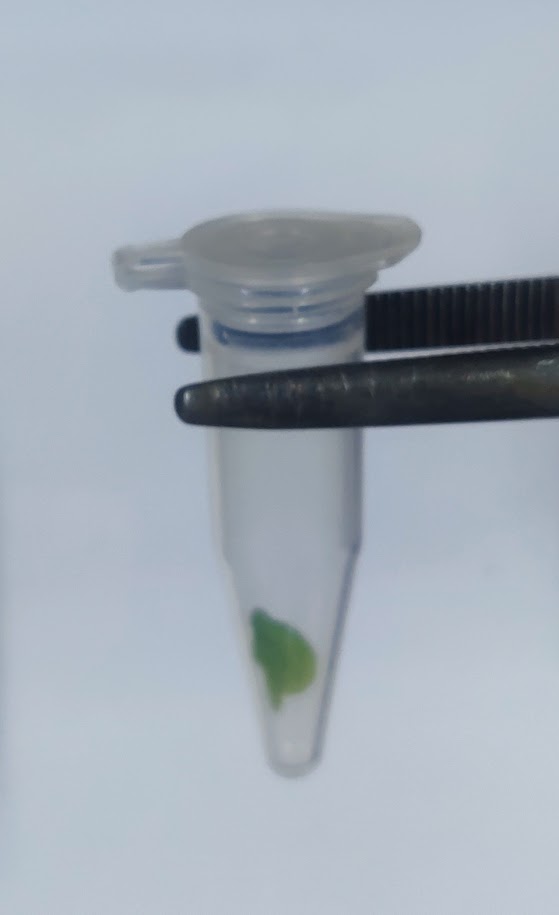
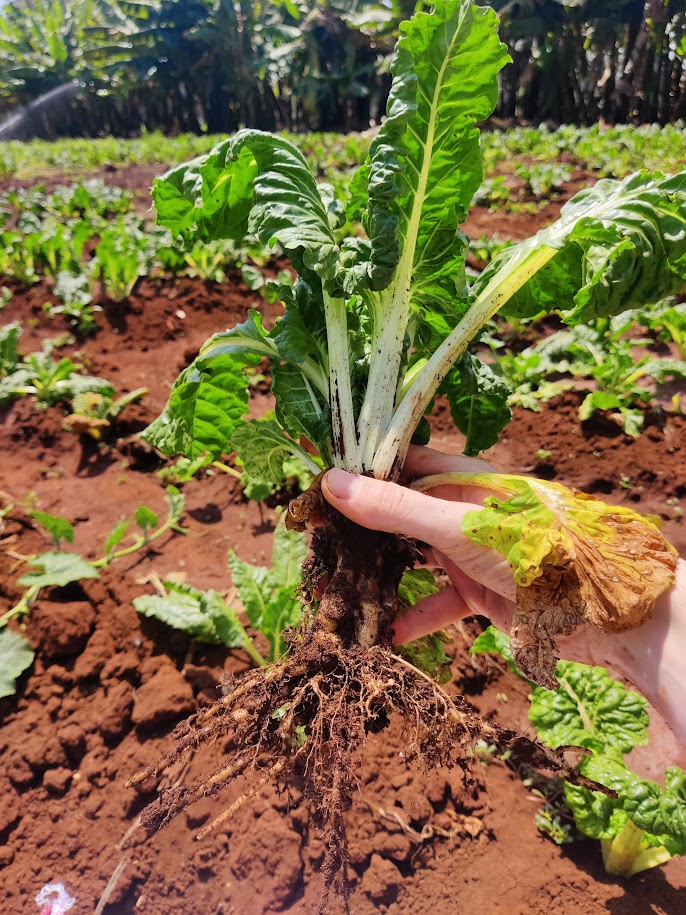
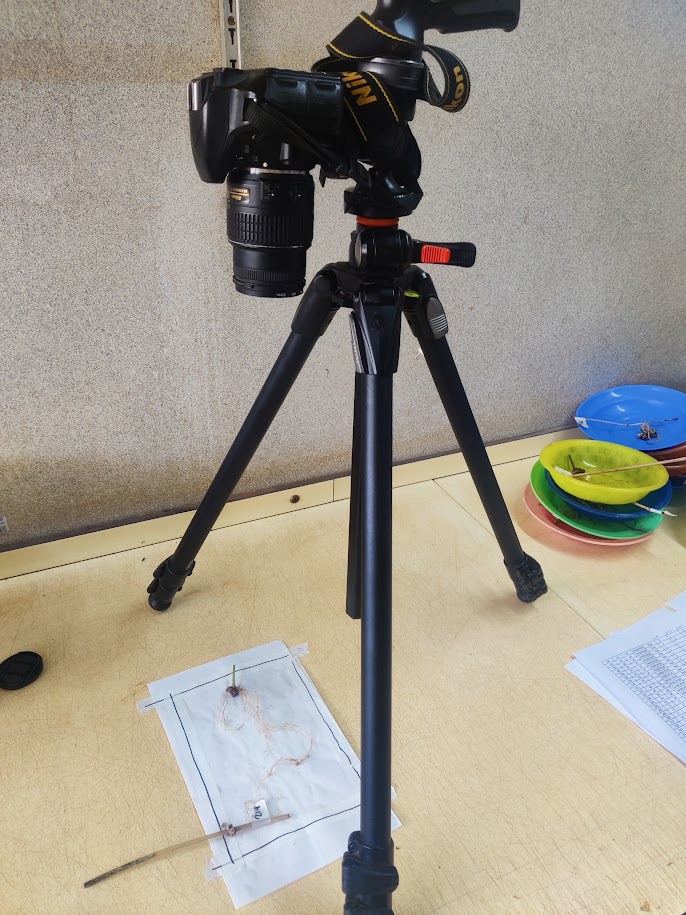
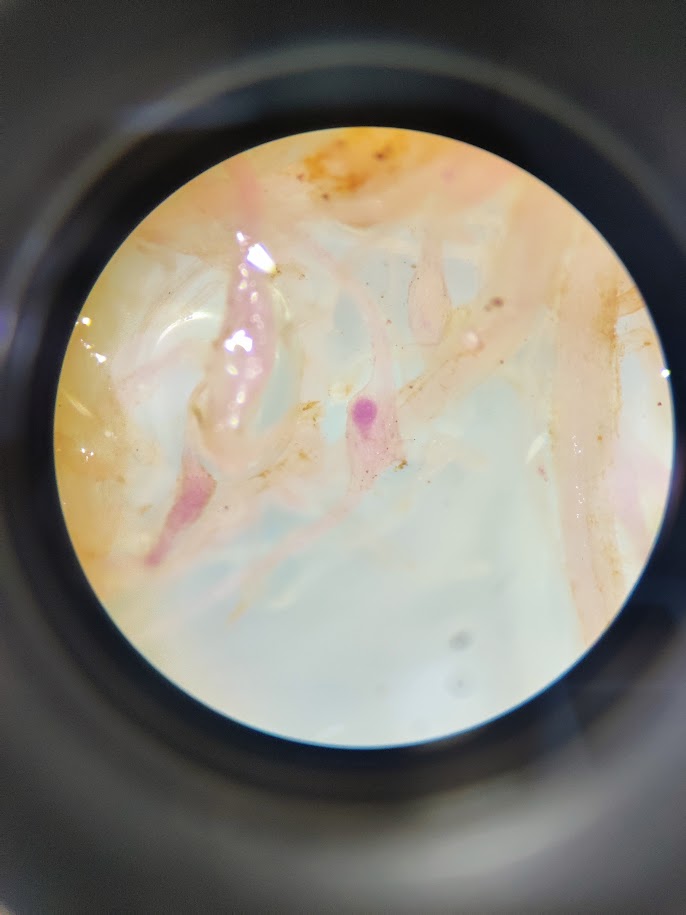
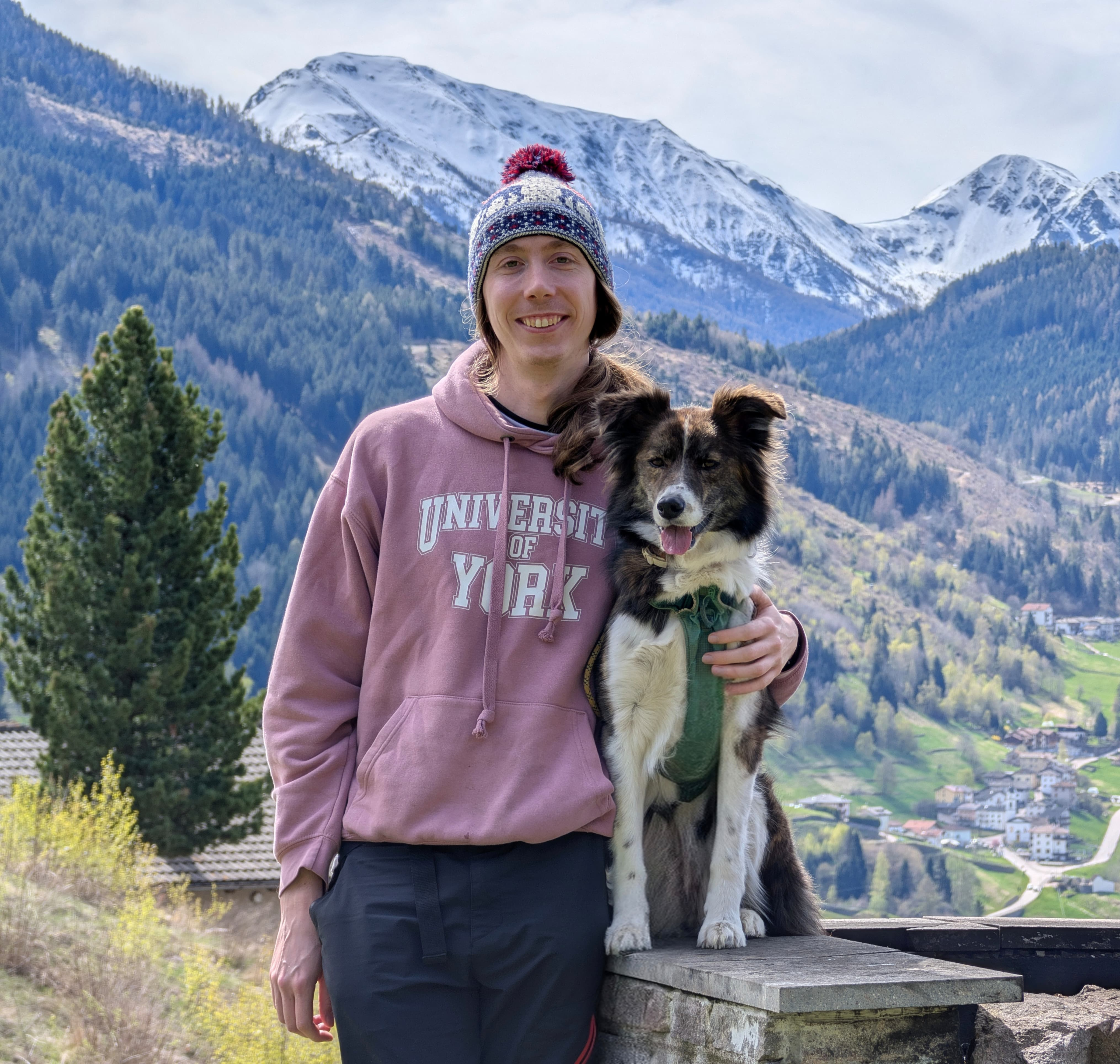
Below, Jasper shares his reflections on the research visit, the knowledge and experience he gained, and the contribution he hopes NEM-EMERGE will make to improving nematode awareness and management.
What did you learn during your stay?
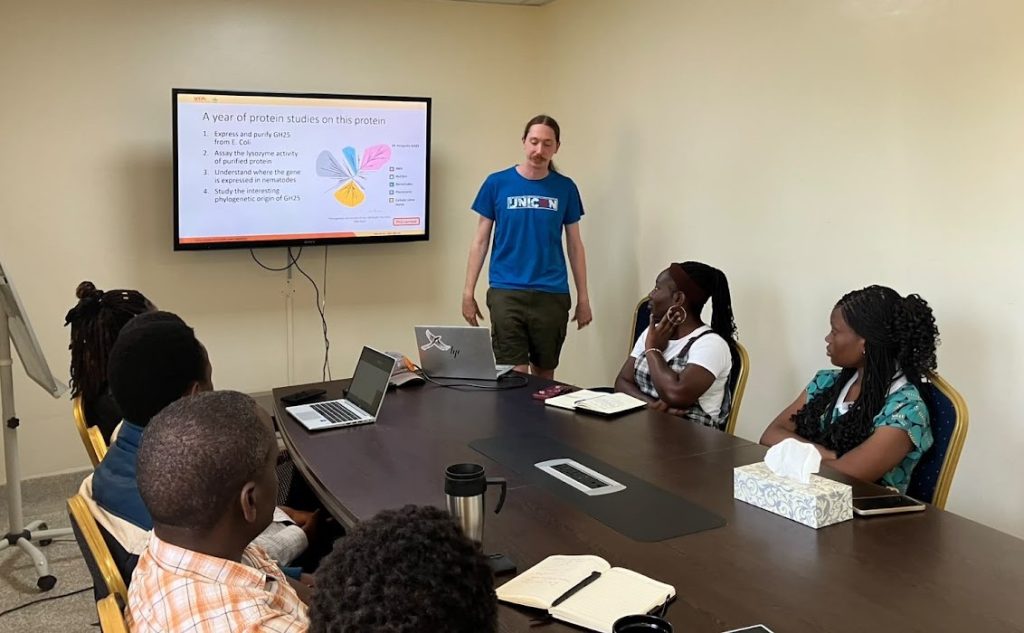
Coming from a small lab where I have to manage a lot of aspects of my own project to a large lab with lots of diverse and different people, projects and academic backgrounds was quite a learning experience. Where things did not go to plan, many people were there with their own methods and experiences to help me adapt and move forwards, which was invaluable to achieve the success that I had in the end. Throughout this project I gained experience in some of the practical difficulties faced by researchers working in Kenya. I also learned that large simple experiments with real, tangible outcomes are often the most satisfying to do – something that I did not expect going into it – keeping me motivated throughout my whole stay.
What is the value of this visit?
As the root knot nematode species I work on I my PhD – M. incognita – is not able to survive the cold winters of northern Europe, it was very valuable for me to be able to work directly in an environment where this pest is a real threat to local agriculture. People are often very keen to learn about them and how they can affect their own farms, as well as local scientists, that were very keen to learn what techniques and tools we used in our own lab to address the same biological questions. Additionally, the outcomes of my work as part of my stay will be very valuable as the experiments I carried out have very applied outcomes for accelerating breeding for root knot nematode resistance. The work may also provide an alternative to the heat-sensitive Mi gene that is widely used in current breeding efforts.
What results would you like to see in NEM-EMERGE?
The biggest single problem when it comes to nematode problems that I experienced through conversations with numerous locals is a lack of awareness about these pests. I went to a number of fields and saw clear signs of infection; however, it is very common for the farmers to overlook the symptoms as they are only distinctive underground on the roots. The result I would like to see from NEM-EMERGE – which I am sure is already a key target – is the spreading of awareness and management strategies to the places where these diseases impact the most, what practices to employ when a parcel of land is infested, and what to avoid doing in order to keep a parcel of land root knot nematode free.
Share on Facebook Share on Twitter Share on Pinterest